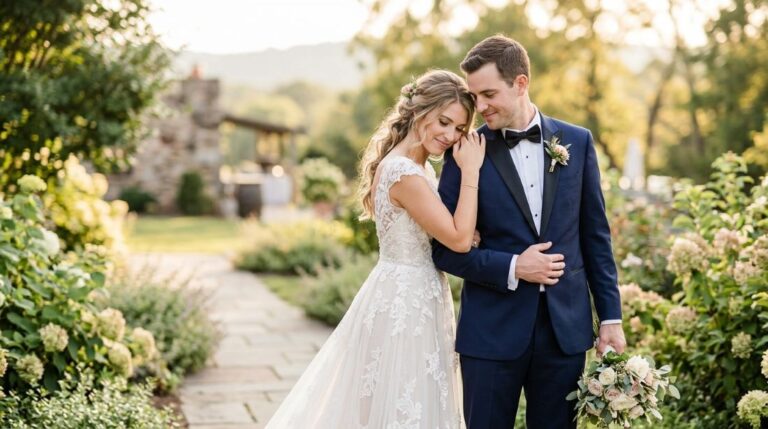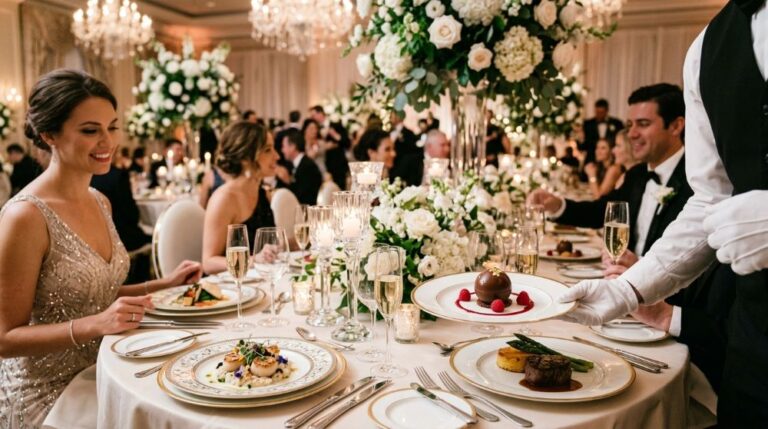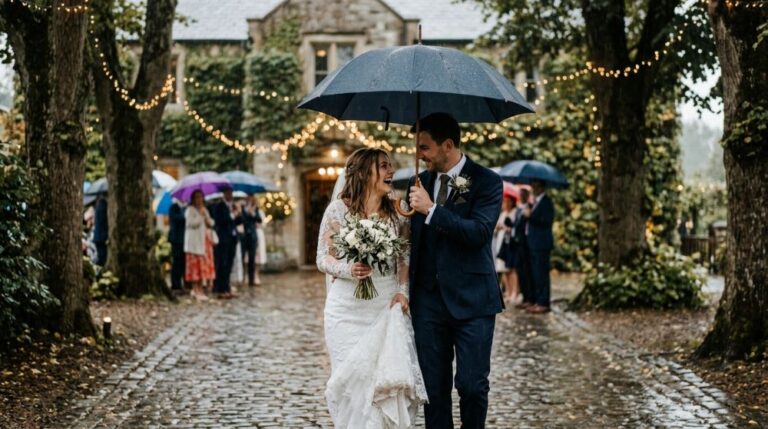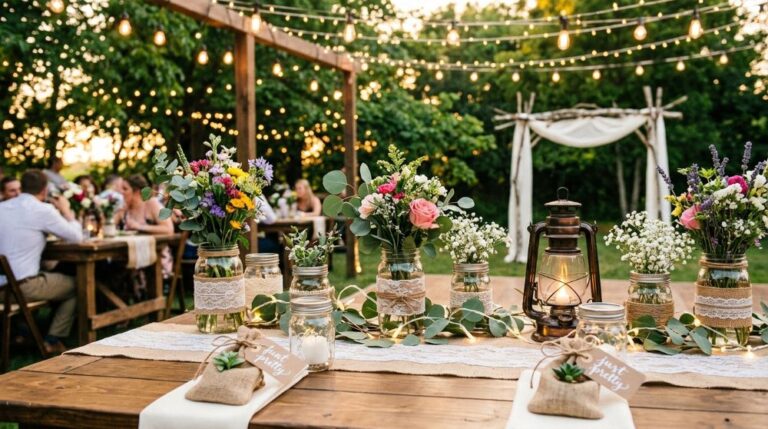
Planning a wedding becomes much easier when every task has a clear place on your calendar. A wedding planning timeline helps couples organize decisions, manage expenses, and enjoy the process without feeling overwhelmed. From setting a budget to confirming final details, each step creates a smoother path toward the big day. These practical wedding planning timeline steps will help you stay organized, save money, and handle important tasks at the right time.
Set Your Wedding Date Early
Choosing your wedding date is the first step that shapes your entire planning timeline. Think about seasons, weather, family availability, and venue options before making the final choice.
A flexible date can help save money. Many venues offer lower prices for weekday weddings or off-season celebrations.
Create a simple calendar where you mark important milestones. Add deadlines for booking vendors, shopping, invitations, and final payments.
Avoid rushing this decision. A well-planned date gives you enough time to organize everything comfortably.
Create a Realistic Wedding Budget
A wedding budget helps guide every decision from the venue to decorations. Start by listing your expected expenses and dividing money into categories.
Include major costs like food, photography, clothing, flowers, music, and transportation. Keep a small amount aside for unexpected purchases.
DIY projects can help reduce costs. Handmade invitations, simple centerpieces, and personalized favors can add charm without spending too much.
Use a spreadsheet or planner to track payments. Updating your budget regularly keeps your wedding plans organized and stress-free.
Build Your Wedding Guest List
Your guest list affects many parts of your wedding, including venue size, food costs, and invitation expenses.
Start with close family and friends. Then add additional guests based on your available budget and venue capacity.
Create categories like must-invite guests and optional guests. This makes difficult decisions easier.
For a budget-friendly approach, keep your guest count comfortable. A smaller celebration can create a more personal experience while reducing expenses.
Research and Book Your Wedding Venue
Your venue is one of the biggest decisions on your wedding timeline. Begin searching early because popular locations often fill quickly.
Compare different venues based on price, location, included services, and guest capacity.
Ask about hidden fees, decoration rules, and available dates. Some venues include chairs, tables, or basic decorations, which can reduce spending.
Visit the location before booking. Seeing the space helps you plan seating, photography areas, and overall style.
Hire a Wedding Planner or Coordinator
A wedding planner can help manage tasks and keep your timeline organized. If hiring a full planner is outside your budget, consider a day-of coordinator.
Create a list of tasks where you need support. Some couples only need help with vendor communication or final arrangements.
You can also use free planning tools and checklists to manage smaller details yourself.
Good organization does not always require a large budget. Simple systems and regular updates can make planning easier.
Choose Your Wedding Theme and Style
Your wedding style helps guide decoration, clothing, invitations, and overall atmosphere.
Collect ideas from magazines, websites, and social media. Save images that match your preferred colors and mood.
Choose a style that feels personal rather than following every trend.
DIY details like handmade signs, custom table numbers, or simple floral arrangements can bring your theme together while saving money.
Select Your Wedding Party
Choosing your wedding party early helps everyone prepare for their roles.
Talk openly about responsibilities, clothing costs, and event schedules.
Keep your group size comfortable. A smaller wedding party can reduce expenses and simplify communication.
Share important dates with everyone so they can plan ahead.
Book Your Photographer and Videographer
Wedding photos preserve memories from your special day, so booking your photographer early is a smart step.
Review different photography styles and compare packages carefully.
If your budget is limited, choose fewer coverage hours or a smaller package.
Ask about delivery times, editing styles, and included photos before signing an agreement.
Choose Your Wedding Attire
Start shopping for wedding attire several months before the ceremony. This gives enough time for fittings and adjustments.
Look for sales, sample dresses, or local designers to save money.
Choose comfort along with style. You will spend many hours wearing your outfit.
Schedule fittings according to your timeline and keep accessories organized in one place.
Plan Your Wedding Invitations
Wedding invitations introduce your celebration style to guests.
Create a design that matches your theme and budget. Digital invitations can reduce printing costs.
Prepare your guest addresses early to avoid last-minute stress.
Order extra invitations for unexpected changes or keepsakes.
Create a Wedding Vendor Checklist
Keeping a vendor checklist helps you track every person involved in your wedding. Create a simple list that includes photographers, caterers, florists, musicians, makeup artists, and decorators.
Write down contact details, payment dates, and contract information. This makes communication easier when many details are happening at once.
A spreadsheet can help you compare prices and services. Add notes about each vendor after meetings so you remember your thoughts.
For budget-friendly planning, compare several options before booking. Local professionals, small businesses, and newer vendors may offer quality services at lower prices.
Regularly update your checklist as you make decisions. A clear record keeps your wedding planning timeline organized and prevents missed tasks.
Arrange Wedding Catering Options
Food is one of the biggest parts of a wedding celebration. Start researching catering options early and compare menus, prices, and guest packages.
Schedule tastings before making a final choice. Try different dishes and discuss serving styles that match your event.
To save money, consider seasonal ingredients, buffet options, or smaller menus with favorite dishes.
Ask about extra costs such as service fees, rentals, and drinks. Understanding the full price helps you stay within your budget.
Keep guest preferences in mind. Offering a few choices can make everyone feel included without increasing expenses too much.
Plan Wedding Decorations
Wedding decorations create the atmosphere for your celebration. Start collecting ideas that match your chosen theme and venue.
Make a list of areas that need decoration, such as tables, entrance spaces, ceremony areas, and photo spots.
DIY decorations can add a personal touch. Handmade candles, simple flower arrangements, and customized signs are affordable options.
Reuse decorations whenever possible. Ceremony flowers can later decorate reception tables, helping reduce costs.
Organize decoration items in labeled boxes before the wedding day. This makes setup faster and easier.
Select Wedding Flowers
Flowers bring beauty and emotion to a wedding setting. Begin choosing flowers after deciding your colors and overall style.
Talk with florists about seasonal options because they often cost less and are easier to find.
Mix expensive flowers with affordable greenery to create beautiful arrangements without spending too much.
Consider simple DIY options like small table arrangements or flower jars for a handmade look.
Keep your flower choices organized by ceremony, reception, bouquet, and decoration needs.
Organize Wedding Music and Entertainment
Music creates memorable moments throughout your wedding day. Decide what type of entertainment matches your celebration style.
Create a list of important songs for the ceremony, first dance, dinner, and party.
Compare different options such as DJs, live musicians, or smaller acoustic performances.
If you want to save money, consider creating your own playlist and hiring a simple sound setup.
Share your timeline with the entertainment team so they know when special moments will happen.
Schedule Hair and Makeup Trials
Hair and makeup trials help you feel confident about your wedding look.
Book your trial several weeks before the event. Bring inspiration photos and discuss what works best for your features.
Take photos during the trial under different lighting conditions.
To manage costs, ask about package deals or services for multiple people.
Prepare a beauty timeline so everyone knows when appointments should happen on the wedding morning.
Plan Wedding Transportation
Transportation planning helps guests and the wedding party arrive comfortably.
Think about travel between locations like the ceremony, reception, hotel, and photo areas.
Compare different transportation options based on your guest count.
For smaller weddings, renting one vehicle for important people may be enough.
Create a schedule with pickup times and locations. Share details early so everyone knows where to be.
Create a Wedding Day Timeline
A wedding day timeline keeps every moment organized. Include ceremony times, photos, meals, speeches, and special activities.
Work with your vendors to create realistic timing.
Leave extra minutes between activities because small delays can happen.
Share the final schedule with your wedding party and vendors before the event.
A simple timeline helps everyone understand their responsibilities and enjoy the celebration.
Prepare Wedding Favors
Wedding favors are a sweet way to thank guests for celebrating with you.
Choose useful and affordable gifts such as candles, small treats, seeds, or personalized items.
DIY favors can save money while adding a personal touch.
Prepare favors early instead of waiting until the final weeks.
Store everything safely and create a simple checklist for distribution.
Confirm Final Vendor Details
Final vendor confirmations help prevent confusion before the wedding day.
Contact each vendor and confirm arrival times, services, payments, and special requests.
Keep all contracts and messages in one folder.
Prepare emergency contact information for important vendors.
A final review helps you feel more prepared and keeps the celebration running smoothly.
Finalize Wedding Seating Arrangements
Creating a seating plan helps guests feel comfortable during the reception. Start working on seating arrangements after receiving most RSVPs.
Group guests based on relationships and comfort levels. Place family members, friends, and coworkers where conversations can happen naturally.
Avoid making the process stressful. There may not be a perfect arrangement, but a thoughtful plan makes the evening easier.
Use simple DIY seating charts with printed cards, frames, or handmade signs.
Keep a digital copy of your seating plan. This makes changes easier if guests cancel or new updates happen before the wedding.
Prepare Wedding Invitations and RSVPs
Tracking RSVPs helps you finalize guest numbers for food, seating, and other arrangements.
Create a simple tracking system using a notebook or spreadsheet. Record guest names, responses, and meal choices.
Send reminders politely to guests who have not responded.
For budget-friendly options, digital RSVP systems can reduce printing costs and make responses faster.
Keep your guest information organized in one place so final planning becomes easier.
Arrange Wedding Rings and Accessories
Wedding rings and accessories are small details that carry special meaning.
Choose rings early so there is enough time for sizing, engraving, and adjustments.
Store rings safely in a dedicated box before the wedding day.
Prepare other accessories like shoes, jewelry, veils, and hair pieces together.
A simple checklist can help you remember every small item before leaving for the ceremony.
Create a Wedding Emergency Kit
A wedding emergency kit can solve small problems quickly during the celebration.
Include useful items like safety pins, tissues, bandages, makeup products, stain remover, and pain relief supplies.
Ask a trusted friend or wedding party member to keep the kit nearby.
You can create this kit using items already available at home.
Preparing small solutions ahead of time helps you enjoy your day without worrying about unexpected situations.
Plan Wedding Rehearsal Details
A wedding rehearsal helps everyone understand their roles before the ceremony.
Practice walking paths, seating arrangements, and important moments.
Keep the rehearsal simple and focused. The goal is to help everyone feel comfortable.
Invite the people who have responsibilities during the ceremony.
After rehearsal, review any final questions with your wedding party and vendors.
Prepare Wedding Day Packing Lists
Packing lists help prevent forgotten items during a busy wedding week.
Create separate lists for the bride, groom, wedding party, and reception supplies.
Include clothing, accessories, documents, personal items, and emergency supplies.
Pack important items several days before the wedding instead of waiting until the last moment.
Label bags clearly so everything is easy to find.
Organize Wedding Payments
Managing final payments keeps your wedding finances organized.
Review vendor contracts and mark payment deadlines on your calendar.
Prepare envelopes or digital payment details ahead of time.
Keep receipts and confirmation records together.
A simple payment tracker helps you avoid confusion and keeps your budget updated.
Confirm Guest Travel Details
Guests traveling from different locations may need extra guidance before the wedding.
Share hotel details, directions, parking information, and event schedules.
Create a simple information page or message with helpful details.
For budget-friendly support, send digital guides instead of printed materials.
Clear communication helps guests feel prepared and comfortable.
Schedule Final Beauty and Self-Care Appointments
The final weeks before a wedding can become busy, so personal care should stay part of your timeline.
Schedule appointments for hair, nails, skincare, or grooming at comfortable times.
Avoid trying completely new treatments close to the wedding day.
Focus on simple routines that help you feel relaxed.
Small moments of rest can make the final planning days more enjoyable.
Review Every Wedding Detail One Week Before
The final week is the time to review every detail and prepare for the celebration.
Check vendor arrival times, guest numbers, clothing, decorations, and transportation plans.
Give important information to your wedding coordinator or trusted helpers.
Avoid adding unnecessary tasks at this stage.
A final checklist helps you feel organized and ready to enjoy your special day.
Create a Wedding Vendor Contact Sheet
A vendor contact sheet keeps all important wedding information in one easy place. Create a list containing names, phone numbers, emails, arrival times, and service details.
Include everyone involved, such as the photographer, caterer, florist, makeup artist, decorator, and transportation team.
A simple digital file can make updates easier. Share the final version with a trusted family member or wedding coordinator.
For a budget-friendly solution, use free spreadsheet templates instead of buying expensive planners.
Keeping vendor details organized saves time when quick communication is required before or during the wedding day.
Choose Wedding Ceremony Details
Ceremony details create the emotional foundation of your wedding day. Decide the order of events, music choices, readings, vows, and seating arrangements.
Discuss your ideas with your partner and family members involved in the ceremony.
Small personal touches can make the moment special. Handmade vow books, family traditions, or simple floral decorations can add meaning without large expenses.
Write down every ceremony detail in your timeline. This helps vendors and helpers understand how everything should happen.
Prepare Wedding Welcome Bags
Welcome bags are a thoughtful way to greet guests, especially those traveling from another location.
Fill them with affordable items like snacks, water bottles, local treats, or handwritten notes.
Choose useful items instead of expensive gifts. Guests often appreciate simple and practical surprises.
Prepare the bags early so they are ready before guests arrive.
Ask family members or friends to help assemble them as a fun DIY activity.
Organize Wedding Photography Shot List
A photography shot list helps capture important memories during the wedding.
Write down must-have photos such as family portraits, couple moments, bridal party pictures, and special details.
Share your list with the photographer before the wedding.
Keep the list realistic so you still have time to enjoy the celebration.
Adding personal photo ideas can create meaningful memories without requiring extra costs.
Prepare Wedding Guest Book Ideas
A guest book gives loved ones a place to leave messages and memories.
Choose an option that matches your wedding style. Traditional books, photo albums, message cards, or creative displays can all work beautifully.
DIY guest books can save money. Use a simple notebook and decorate it with ribbons, stickers, or photos.
Place the guest book somewhere visible so guests remember to sign it.
Plan Wedding Food and Cake Timeline
Food and cake arrangements require careful timing. Confirm delivery times, serving schedules, and special instructions with your caterer.
Discuss cake flavors, design, and size according to your guest count.
Smaller cakes with additional desserts can reduce costs while offering variety.
Create a timeline showing when meals, desserts, and drinks will be served.
Clear communication helps vendors prepare everything smoothly.
Prepare Wedding Ceremony and Reception Supplies
Organizing supplies early prevents last-minute searching.
Create separate boxes for ceremony items, reception decorations, favors, and personal belongings.
Label each box clearly so helpers know where everything belongs.
Include small details like guest book supplies, table numbers, candles, and signs.
This simple system makes setup easier and reduces stress on the wedding day.
Assign Wedding Day Responsibilities
A wedding day works better when everyone knows their role.
Assign responsibilities to trusted friends, family members, or a coordinator.
Someone can handle vendor questions, another person can manage gifts, and someone else can help with guests.
Write down responsibilities and share them before the event.
Clear roles allow you and your partner to focus on enjoying the celebration.
Take Time to Relax Before the Wedding
The days before a wedding can become busy, but relaxation should remain part of your timeline.
Finish major tasks early so the final days feel calmer.
Spend time with loved ones, rest properly, and enjoy small moments together.
Avoid adding unnecessary projects close to the wedding.
A relaxed mindset helps you appreciate the celebration you have worked so hard to create.
Enjoy Your Wedding Day Celebration
After months of planning, your wedding day is the time to enjoy every moment.
Trust the preparations you completed and allow your helpers to manage the details.
Focus on your partner, family, friends, and the memories you are creating.
Small imperfections may happen, but they often become special stories later.
Your timeline helped organize the journey, but the love and happiness shared on the day create the moments you will remember forever.
Conclusion
A well-planned wedding timeline turns a long list of tasks into simple steps that feel manageable. Starting early, tracking details, and using affordable ideas can make the planning process smoother and more enjoyable.
Each small action brings you closer to a celebration that reflects your style and story. Save this wedding planning timeline checklist and use it as your guide while preparing for your big day.

Emma is the author and creative voice behind TheFashionary, sharing inspiring ideas on bridal fashion, wedding dresses, hairstyles, and timeless style. She loves discovering beautiful fashion trends and helping readers find inspiration for their special moments.