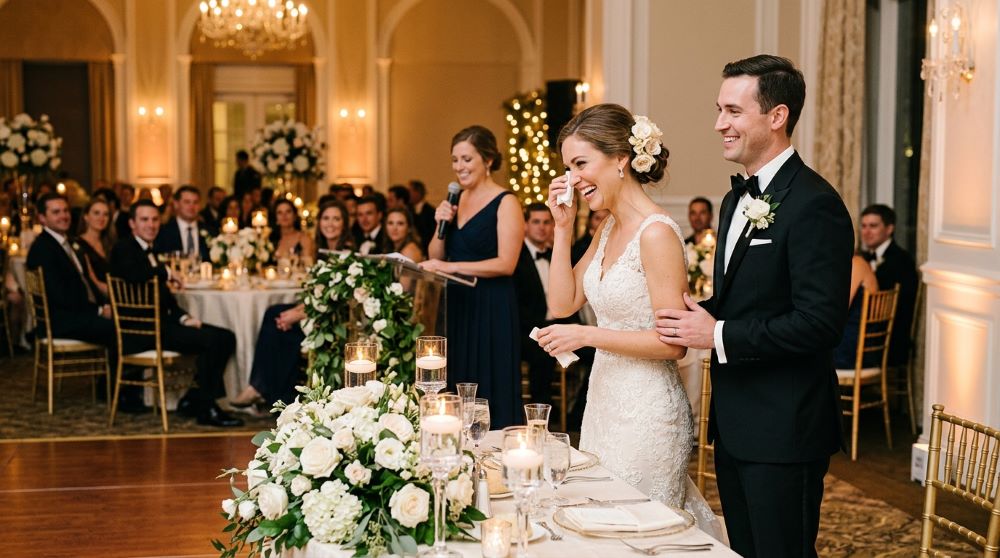
Wedding speeches are one of the most memorable parts of a wedding reception. A funny best man speech, a touching father-of-the-bride toast, or a heartfelt message from the groom can bring everyone together. The best wedding speeches combine personal stories, gentle humor, genuine emotions, and a few words that make the couple feel loved.
You don’t have to be a professional speaker or spend money on a speechwriter to deliver something special. A few handwritten notes, a meaningful memory, and a little practice can make all the difference.
Whether you’re preparing a maid of honor speech, a wedding toast for your best friend, or a short speech for your parents, these wedding speech ideas offer practical ways to make guests laugh, cry, and cheer. From funny childhood memories to beautiful wishes for married life, there’s an idea here for every speaker and every wedding style.
1. The Best Man’s Hilarious Friendship Speech
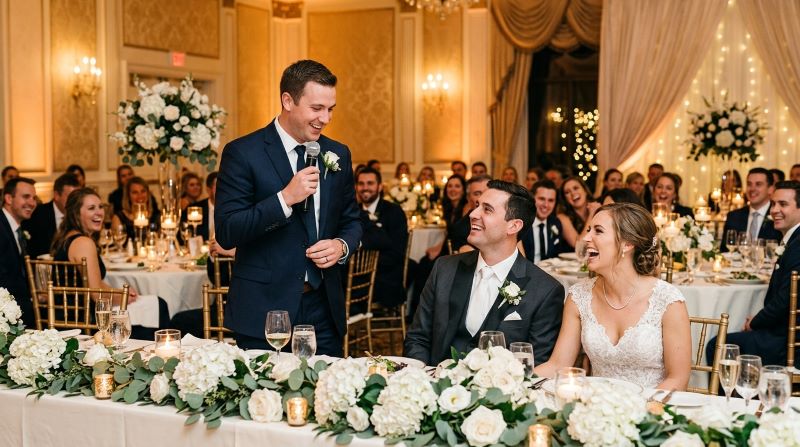
A best man speech is the perfect opportunity to share funny memories about the groom while celebrating his relationship with the bride. Start with a short introduction about how you met. Then share one or two stories that show his personality.
Think about an embarrassing fashion phase, a disastrous cooking attempt, or a time he tried to impress someone and failed. Choose stories that make the groom laugh rather than feel uncomfortable. Avoid anything involving former partners, private conversations, or personal subjects that could upset the couple.
A simple structure works well: introduce yourself, tell a funny story, welcome the bride, and finish with a sincere toast.
You can write your speech on inexpensive index cards or use a small notebook you already own. There’s no reason to pay for a professional speechwriter when your own memories are the most meaningful material.
Practice the speech aloud several times. Keep your jokes short, and pause after a funny line so guests have time to laugh.
Finish by raising your glass and wishing the newlyweds years of friendship, patience, and happiness. The contrast between playful humor and genuine affection will make your speech memorable.
2. The Maid of Honor’s Funny and Heartfelt Speech
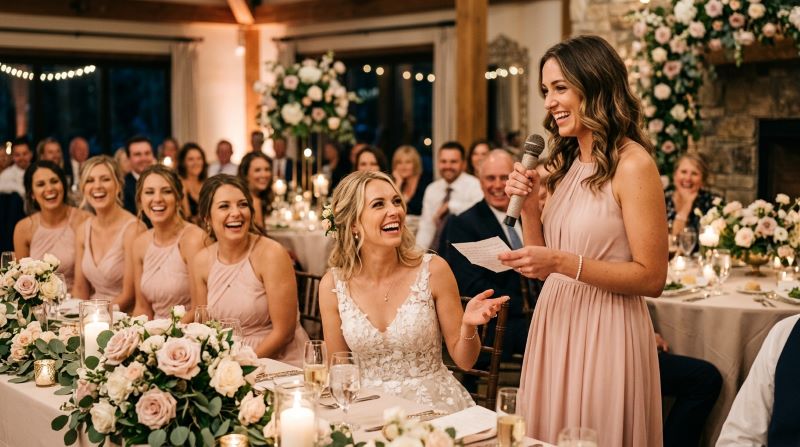
A maid of honor speech can celebrate the bride’s personality, friendship, and journey toward marriage. The best versions mix lighthearted memories with sincere words about the couple.
Start with a funny moment from your friendship. Perhaps the bride once spent hours getting ready for a simple coffee date, or she called you repeatedly while planning a surprise party. Choose something guests can enjoy without knowing every detail of your friendship.
Follow the story with a few words about what makes her special. You might mention her loyalty, kindness, or ability to make people feel welcome.
Keep the speech personal rather than overly formal. Speak as though you’re sharing a story with friends around your kitchen table.
For an affordable DIY touch, write your main points on a pretty card or a sheet of paper decorated with a small ribbon. You can even add a tiny printed photograph of the two of you to the back.
Close by welcoming the groom into your friendship and wishing the couple a marriage filled with laughter, teamwork, and love.
Aim for three to five minutes. A short, sincere speech will hold guests’ attention far better than a long collection of unrelated stories.
3. The Father of the Bride’s Emotional Speech
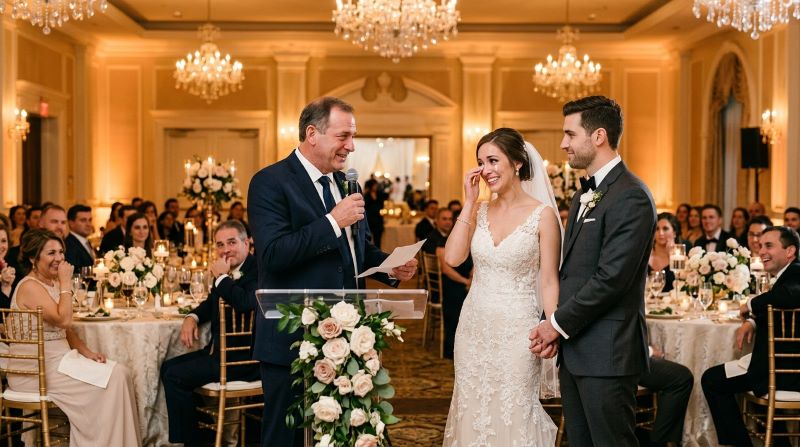
A father-of-the-bride speech offers a beautiful opportunity to share childhood memories and welcome the person his daughter has married. You don’t have to write something poetic. Your own words will carry more meaning.
Begin with a favorite memory from her childhood. It could be her first day at school, a family holiday, or a small moment that revealed her personality.
Then talk about the person she has become. Mention qualities you admire, such as her courage, generosity, humor, or determination.
Keep the focus on celebrating her future rather than saying goodbye to her past. A warm welcome to her new spouse can make the speech feel inclusive and joyful.
If public speaking makes you nervous, prepare a short handwritten speech and practice it with a family member. Reading from paper is perfectly acceptable.
You can also include one family photograph as a personal touch, perhaps displayed nearby rather than passed around during the speech.
Finish with a simple wish for a happy marriage. Tell the couple that they will always have your love and support.
A few honest sentences about how proud you feel can be more moving than a long, carefully rehearsed monologue.
4. The Groom’s Loving Speech to His Bride
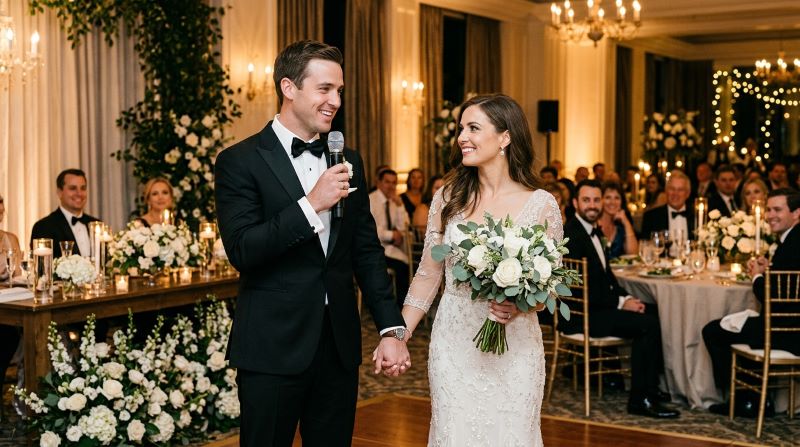
The groom’s speech is a chance to tell his bride what she means to him in front of the people who matter most. It can be romantic, funny, or a combination of both.
Start by thanking everyone for celebrating with you. Mention your families, friends, and anyone who helped make the wedding possible.
Then turn your attention to your bride. Share the first thing you noticed about her, a memory from your relationship, or a moment when you realized she was someone special.
You don’t have to write grand declarations of love. A small, specific memory often feels more personal than a collection of romantic phrases.
For example, you might talk about how she brought you dinner during a difficult week or how she makes ordinary weekends feel special.
If you’re working with a small budget, write your speech yourself and keep it on a simple note card. The meaning comes from your words, not expensive stationery.
End by thanking her for choosing to build a life with you. A direct look, a sincere smile, and a short toast can make the moment feel natural.
5. The Bride’s Personal Wedding Toast
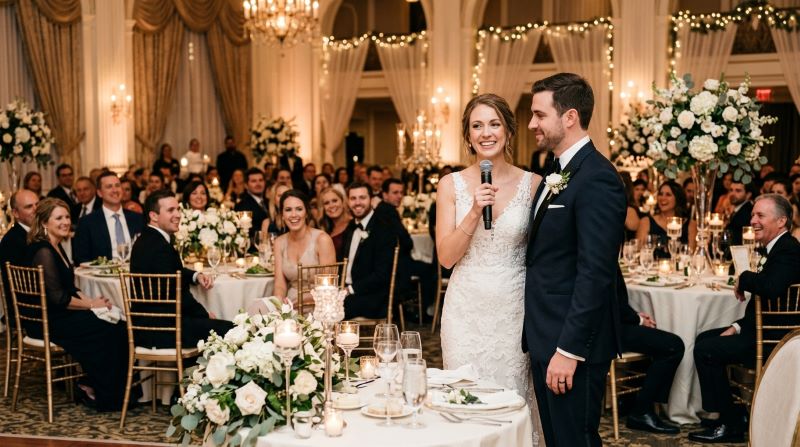
A bride’s speech can be a lovely way to thank loved ones and share her happiness with everyone gathered for the wedding.
Begin with a warm welcome. Thank guests for traveling, celebrating, and supporting your relationship. If relatives or friends have made special efforts to attend, mention them by name.
Next, share a short story about your partner. It might be a funny first-date memory, an unexpected romantic gesture, or a moment that made you feel truly understood.
Let your natural personality shape the speech. If you’re playful, include a gentle joke. If you prefer emotional words, focus on gratitude and love.
You can make the speech more personal without spending anything. Write a few favorite memories on paper, then select the one that best represents your relationship.
Mention your parents, siblings, or close friends if you want to recognize their support. Keep the list manageable so the speech doesn’t become a roll call.
Finish with a toast to your spouse and the people who have helped you reach this day.
A two- or three-minute speech is plenty. You can speak from notes, pause when emotions rise, and enjoy the moment instead of worrying about delivering every sentence perfectly.
6. The Mother of the Bride’s Loving Message
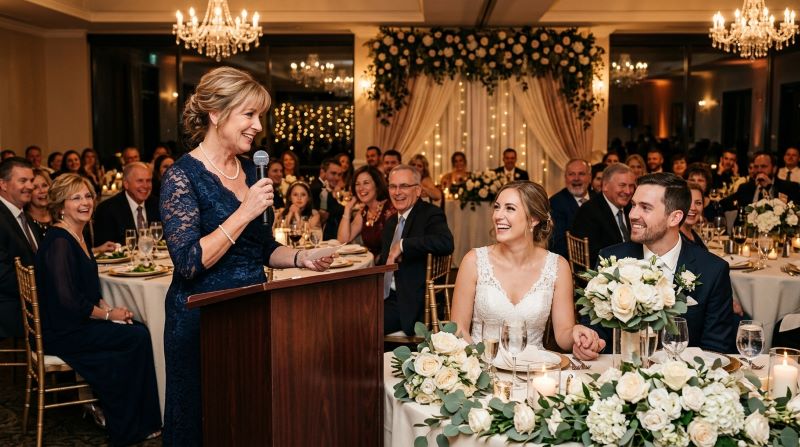
A mother-of-the-bride speech can combine affectionate memories, gentle humor, and wishes for the couple’s future.
Begin with a memory that captures your daughter’s personality. Perhaps she organized pretend weddings as a child, insisted on choosing her own outfits, or always looked after younger family members.
A small, recognizable detail can bring smiles to guests who know her well.
Then share what you admire about her relationship with her spouse. You might mention the way they support each other, make decisions together, or bring out each other’s best qualities.
Avoid comparing the spouse with previous partners or sharing stories that could embarrass your daughter. The purpose is to celebrate the couple, not to reveal every family secret.
For a simple DIY addition, include a short family memory written on a small card. You could even keep an old childhood photograph nearby as a reminder while speaking.
There’s no need to memorize every line. A few clear notes can help you stay relaxed and speak naturally.
End with a wish for kindness, laughter, and a home where both partners feel loved. Your words will mean a great deal because they come from someone who has watched the bride grow throughout her life.
7. The Father of the Groom’s Funny Wedding Speech
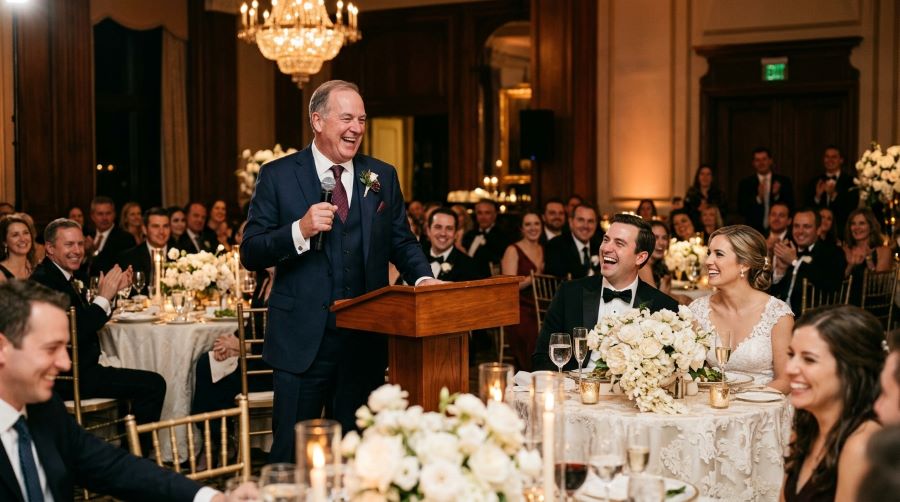
A father-of-the-groom speech can offer a different perspective on the man everyone is celebrating. Childhood memories, family traditions, and a little gentle teasing can make it entertaining.
Start with a funny story about your son’s younger years. Perhaps he attempted to fix everything in the house, believed he could cook without a recipe, or had an unusual collection of hobbies.
Choose a story that shows his personality without making him feel uncomfortable.
Then talk about how he has grown and what makes you proud of him. You can mention his generosity, commitment, or the way he treats his partner.
A good balance of humor and affection keeps the speech warm. Avoid jokes about marriage being a trap or suggestions that his spouse has taken him away from the family.
You can prepare the speech at home using a simple outline: childhood story, personal reflection, welcome to the bride, and a toast.
If you have an old family photograph, use it as inspiration for a memorable anecdote rather than creating an expensive slideshow.
Close by welcoming the bride into your family and wishing the couple a lifetime of shared adventures.
8. The Mother of the Groom’s Warm Wedding Toast
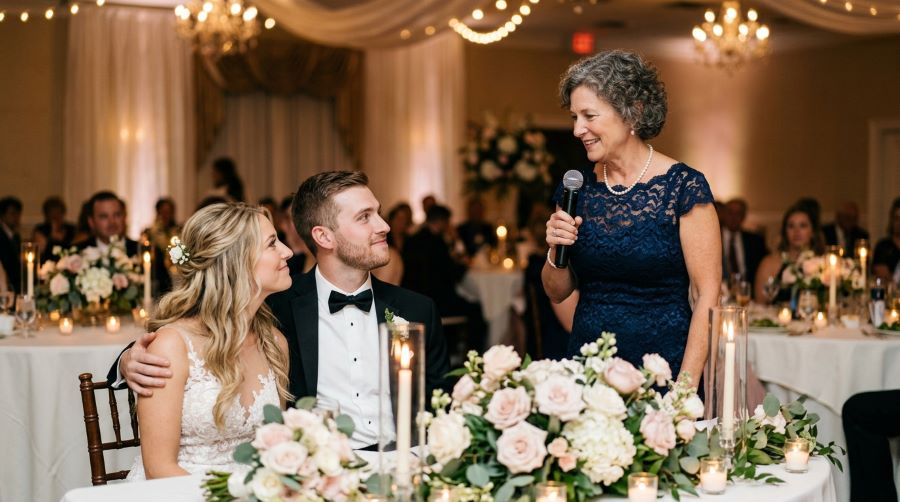
A mother-of-the-groom speech is a wonderful way to celebrate her son while welcoming his spouse into the family.
Begin with a lighthearted childhood memory. Perhaps your son was always asking questions, loved making people laugh, or had a habit of taking things apart to see how they worked.
Then share a more personal reflection. Talk about a quality you admire in him and how happy you are to see him build a life with someone he loves.
Make the bride or groom’s spouse feel included. Mention something you appreciate about their relationship, such as the way they encourage each other or share family responsibilities.
You don’t have to spend money on professional speech services. A sincere story and a handwritten outline are enough to create a personal toast.
If you’re worried about becoming emotional, keep a glass of water nearby and mark a few natural pauses in your notes.
Avoid turning the speech into a list of expectations for the couple. Focus on affection, support, and good wishes.
Finish with a toast to their shared future. A simple wish for laughter, patience, and many happy family gatherings can leave everyone smiling.
9. The Childhood Friend’s Nostalgic Speech
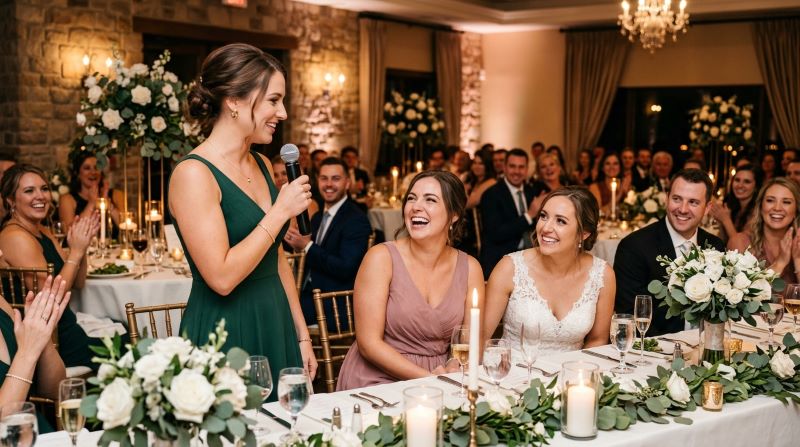
A childhood friend has the advantage of knowing the bride or groom long before the wedding day. That history can provide some of the funniest and sweetest stories in the room.
Start with a memory from school, summer holidays, neighborhood adventures, or a shared hobby. Choose something that reveals the person’s character rather than simply describing an embarrassing event.
For example, you might remember how your friend organized elaborate games, shared snacks with everyone, or always found a way to turn an ordinary afternoon into an adventure.
Then connect that childhood personality to the person standing at the wedding today.
Perhaps the same generosity is visible in the way they treat their partner. Maybe their sense of humor is one of the reasons their relationship works so well.
If you have an old photograph, ask the couple whether they’d enjoy seeing it displayed during the reception. A printed copy can be inexpensive and meaningful.
Keep the story understandable for guests who weren’t part of your childhood. Explain the setting briefly before sharing the funny detail.
End by celebrating the friendship and welcoming the couple into their next chapter together.
10. The Best Friend’s Emotional Friendship Speech
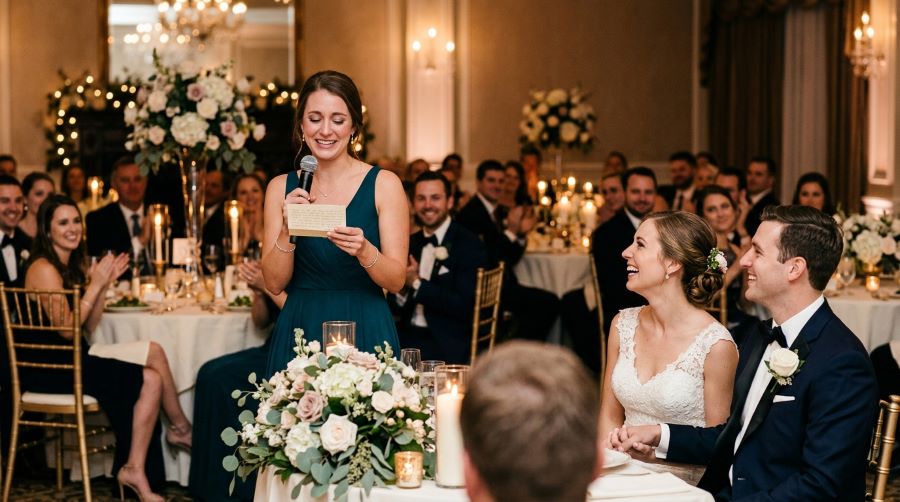
A best friend’s wedding speech can remind the couple how much their relationship means to the people around them.
Rather than collecting lots of stories, choose one memory that captures the friendship. It could be a late-night conversation, support during a difficult time, or an ordinary day that became unforgettable.
Explain why the memory matters. Perhaps it showed your friend’s kindness, loyalty, or ability to make others feel safe.
Then talk about the partner. Describe what you’ve noticed about the way they care for each other, while keeping the focus on personal observations rather than making claims about their entire relationship.
Specific details make emotional speeches feel genuine. Saying that your friend always remembers your coffee order can feel more meaningful than simply calling them an amazing person.
You can prepare your speech using a few handwritten notes. Write the memory, the quality it reveals, and the wish you have for the couple.
If you become emotional, pause and take a breath. Guests will understand.
Finish by saying how happy you are to see your friend loved and supported. Raise your glass to years of shared laughter, honest conversations, and friendship that continues long after the wedding.
11. The Sibling’s Funny Wedding Speech
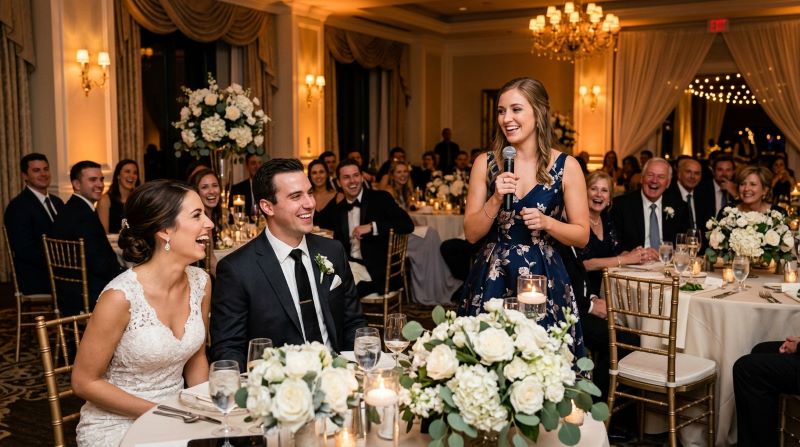
A sibling’s wedding speech can include a kind of humor that other speakers may not be able to pull off. Years of shared family life provide plenty of material.
Start with a funny childhood disagreement, a family holiday mishap, or a familiar habit that still makes everyone laugh.
You might mention who always stole the television remote, who got blamed for a broken household item, or who took the longest to get ready.
Keep the teasing affectionate. Avoid bringing up painful family disputes, private information, or sensitive subjects that could spoil the moment.
After the joke, share something sincere. Explain what you admire about your sibling and why you’re happy to see them with their partner.
For an inexpensive personal touch, write a short list of three childhood memories on a card. Choose the one that will make sense to the widest range of guests.
You can also include a brief welcome to your new brother-in-law or sister-in-law.
The speech should sound like you, not like a formal announcement. A conversational delivery makes the humor land naturally.
End with a toast to the couple’s happiness and to the family memories you’ll continue making together.
12. The Short and Funny Three-Minute Speech
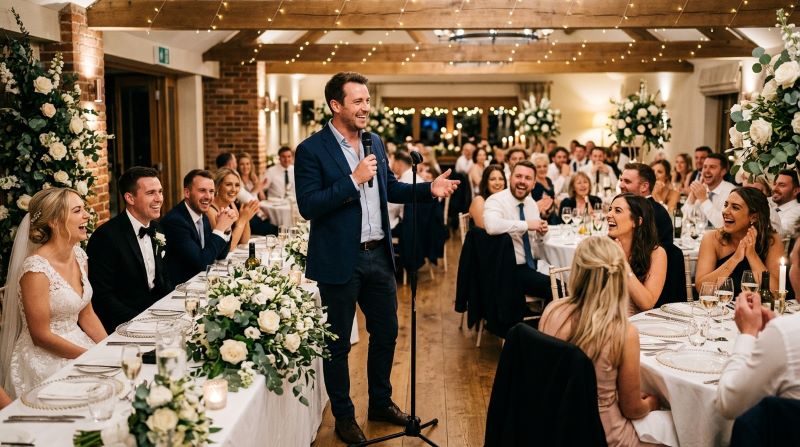
A short wedding speech can be just as memorable as a longer one. Three minutes gives you enough time for a funny story, a sincere compliment, and a toast.
Begin with your name and your connection to the couple. Keep this part brief so you can reach the story quickly.
Choose one funny memory rather than trying to fit your entire friendship into a few minutes. A story about a failed road trip, an unusual hobby, or a cooking disaster can work well.
Follow it with a genuine observation about the couple. Mention something you admire about their bond or the way they make each other laugh.
A simple speech is easier to write, practice, and deliver. It also leaves plenty of time for dinner, dancing, and other speakers.
For a budget-friendly approach, draft the speech in a notebook or on your phone. Read it aloud and remove any sentence that doesn’t add a useful detail.
Don’t rush the punchline. Pause briefly after the funny part, then move naturally into your sincere message.
Finish with one clear wish for the newlyweds and invite guests to raise their glasses.
A short speech works especially well for people who feel nervous speaking in front of a crowd.
13. The Lighthearted Speech for Nervous Speakers
If public speaking makes you anxious, a lighthearted speech can help you feel more comfortable. You don’t have to become a comedian or memorize a long script.
Start by acknowledging the moment with a gentle joke. You might say that writing the speech took longer than expected or that you practiced it so often your pet has heard it already.
Keep the joke short and move into your main story.
Choose a memory you can describe naturally without reading every word. Familiar stories are easier to tell because you already know the details.
Write three or four key points on a small card. Include the opening, the story, one sincere message, and the toast.
Practice out loud rather than silently reading the page. This helps you hear awkward sentences and become familiar with the sound of your own voice.
You can practice in front of a mirror or ask a trusted friend to listen. Both options are free.
Speak slowly, keep your shoulders relaxed, and look toward friendly faces around the room.
If you lose your place, pause and glance at your notes. Guests are there to celebrate the couple, not to judge your delivery.
Finish with a warm wish and enjoy the applause.
14. The Thank-You Speech for Wedding Guests
A wedding thank-you speech gives the couple an opportunity to recognize the people who helped make their celebration possible.
Start by welcoming everyone and expressing gratitude for their presence. Some guests may have traveled a long distance, taken time away from work, or helped with preparations.
Mention your families, wedding party, and anyone who provided meaningful support. A personal detail can make each acknowledgment feel more genuine.
For example, thank a sibling who helped organize the seating plan or a friend who spent an afternoon arranging decorations.
Keep the list focused so the speech doesn’t become too long. You can also thank people collectively when many relatives and friends contributed.
A simple DIY approach is to write the names and contributions on a small card before the wedding. This helps you remember everyone without paying for a speechwriter.
Gratitude sounds most natural when you explain what someone’s help meant to you. A short sentence about a thoughtful gesture can be more personal than a long list of names.
Close by thanking everyone for sharing the celebration and raising a glass to the future.
This speech works particularly well when delivered by both newlyweds, with each person recognizing their own family and friends.
15. The Couple’s Joint Wedding Speech
A joint wedding speech allows both partners to share the spotlight. It can feel relaxed, personal, and entertaining when the couple takes turns speaking.
Begin with a welcome and a thank-you to guests. One partner can mention family members while the other recognizes friends and the wedding party.
Then share a short story about your relationship. You might describe your first meeting, an amusing misunderstanding, or a date that didn’t go according to plan.
A little playful disagreement can make the speech funny. For example, each partner could tell their version of who made the first move.
Keep the humor affectionate. Avoid turning the speech into a competition over who does more around the house or who was right during an argument.
For a simple DIY idea, write each person’s lines on separate cards. You can alternate paragraphs or use a short question-and-answer format.
Practice the handoffs together so neither person accidentally speaks over the other.
Finish with a shared toast to your families, friends, and the life you’re beginning together.
A joint speech can be especially lovely for couples who prefer sharing important moments rather than having one person speak for both.
16. The Speech Built Around Three Funny Stories
A three-story wedding speech gives you a simple structure that keeps the audience interested. Each story can reveal a different side of the bride or groom.
Start with a childhood or school memory. Choose something short that shows the person’s early personality.
Next, share a story from adulthood. It could involve a memorable holiday, a cooking experiment, or a funny attempt to learn a new skill.
Finish the stories with a moment involving the couple. Perhaps you remember the first time your friend spoke about their partner or a double date that went hilariously wrong.
Keep each story brief. Too many details can make guests lose track of the point.
For a budget-friendly approach, ask mutual friends or family members to remind you of old memories. You can gather ideas over a free group chat rather than arranging a formal meeting.
Make sure every story has a kind ending. The aim is to celebrate the person, not embarrass them.
After the third story, explain what these memories reveal about the couple’s personalities or relationship.
Finish with a sincere wish for their future and invite everyone to raise a glass.
17. The Funny Speech About the Couple’s First Meeting
The story of how the couple met can be a wonderful starting point for a wedding speech, especially if their first encounter involved an amusing misunderstanding.
Ask the couple which details they’re happy for you to share. Their version of the story may be different from what friends remember.
Perhaps one person arrived late, confused a name, or accidentally sent a message to the wrong person. A small mishap can become a charming story when told with affection.
Explain how the first meeting led to a relationship. Keep the timeline clear so guests who don’t know the couple well can follow along.
You can add a gentle joke about how neither person realized that an ordinary day would lead to a wedding.
Avoid sharing private messages, intimate details, or stories about former relationships. A wedding speech should make both partners feel comfortable.
For an inexpensive visual touch, you could display a photograph from their early dating days, with the couple’s permission.
Finish by connecting that first meeting to the life they’re building together.
The sweetest ending is often the simplest: a reminder that one ordinary encounter can become the beginning of a shared future.
18. The Speech That Celebrates the Couple’s Journey
A wedding speech about the couple’s journey can celebrate the small moments that brought them to the wedding day.
Begin with a brief memory of their early relationship. Perhaps you remember their first date, the first time they attended a family gathering together, or the moment they introduced each other to friends.
Then mention a few milestones. These might include moving into their first home, adopting a pet, traveling together, or supporting each other through a busy season of life.
You don’t have to describe every year of their relationship. Select two or three moments that show how their partnership has grown.
If you have photographs, ask whether the couple would enjoy seeing a few displayed during the reception. A small collection of personal pictures can be created at little cost.
Keep the focus on shared experiences rather than private challenges. The speech should celebrate their commitment without revealing personal matters.
A timeline works best when each memory leads naturally to the next. Use simple phrases to connect the moments.
End by looking toward the future. Wish them many more milestones, ordinary happy days, and adventures together.
This format works well for close friends, siblings, and parents who have watched the relationship develop over time.
19. The Speech With a Meaningful Family Memory
A family memory can make a wedding speech feel deeply personal. It might be a holiday tradition, a favorite family meal, or a small habit that everyone recognizes.
Choose a memory that reflects something positive about the bride or groom. Perhaps they were always the first to help prepare dinner, or they made younger relatives feel included during family gatherings.
Describe the scene briefly. A few details about the people, place, and funny moment will help guests follow the story.
Then explain why you still remember it. Maybe it reveals the kindness, humor, or generosity that the person brings into their marriage.
You don’t have to spend money on photographs or decorations to make the story special. Your own words can bring the memory to life.
If you want a visual reminder, bring a small family photograph or keep it on your phone as a reference while practicing.
Be thoughtful about relatives who may be absent or family circumstances that could make the story painful. Choose a memory that feels comfortable for the couple.
Finish by welcoming the new spouse into the family’s traditions and wishing them many happy memories of their own.
20. The Lighthearted Advice for Married Life
A wedding speech that offers funny marriage advice can entertain guests while sharing a few kind thoughts about the years ahead.
Keep the advice playful and practical. You might suggest that couples always share the last slice of cake, learn how to apologize, or agree on a television show before sitting down.
You can also joke about everyday habits, such as leaving cupboard doors open or forgetting where the keys are.
Avoid presenting marriage as a battle between partners. Jokes about controlling a spouse, losing freedom, or constant arguments can feel uncomfortable.
The best advice combines humor with genuine care. After a funny line, add a simple thought about communication, patience, or sharing responsibilities.
For a DIY touch, write three short pieces of advice on separate cards and choose your favorite during practice.
Keep the speech personal by explaining which advice you’ve learned from your own relationships or family life, if you’re comfortable sharing.
Don’t pretend to have all the answers. A friendly observation is enough.
End by wishing the couple a marriage filled with teamwork, laughter, and the ability to find humor in ordinary days.
This idea works especially well for a best man, maid of honor, sibling, or longtime friend.
21. The Wedding Speech With a Perfect Final Toast
The final toast is the part guests are most likely to remember, so give it a little thought. You don’t need a complicated poem or a dramatic ending.
Start your speech with a personal story or a few lighthearted observations. Build toward a sincere message about the couple and what you wish for their future.
Your closing words should be short enough for everyone to follow. You might wish them a home filled with laughter, a partnership built on trust, or many years of happy adventures.
If the speech has been funny, let the final lines become more heartfelt. If you’ve shared an emotional story, a gentle joke can leave guests smiling.
You can prepare the ending separately from the rest of the speech. Write it on a small card and practice saying it slowly.
Avoid adding several last-minute thoughts after the toast. A clear ending feels more natural and gives the audience a moment to respond.
Raise your glass only when you’re ready to finish. Look toward the couple, deliver your wish, and invite guests to join you.
A simple toast can bring the entire room together. It gives the speech a clear ending and leaves the newlyweds with a warm memory of the celebration.
Conclusion
A memorable wedding speech doesn’t require expensive preparation, professional writing, or perfect public speaking skills. The most meaningful speeches come from personal memories, gentle humor, and genuine affection for the couple.
Whether you’re preparing a best man speech, a maid of honor toast, a parent’s message, or a speech as one of the newlyweds, start with one story that matters to you. Add a few sincere words, practice aloud, and finish with a warm toast.
Keep your jokes kind, your message personal, and your speech short enough to hold everyone’s attention. With a little preparation, you can create a wedding speech that makes guests laugh, brings happy tears, and gives the couple another beautiful memory to treasure.

Emma is the author and creative voice behind TheFashionary, sharing inspiring ideas on bridal fashion, wedding dresses, hairstyles, and timeless style. She loves discovering beautiful fashion trends and helping readers find inspiration for their special moments.