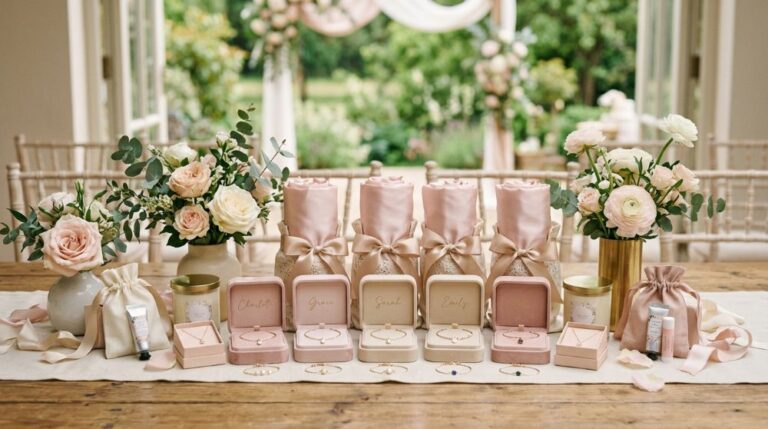
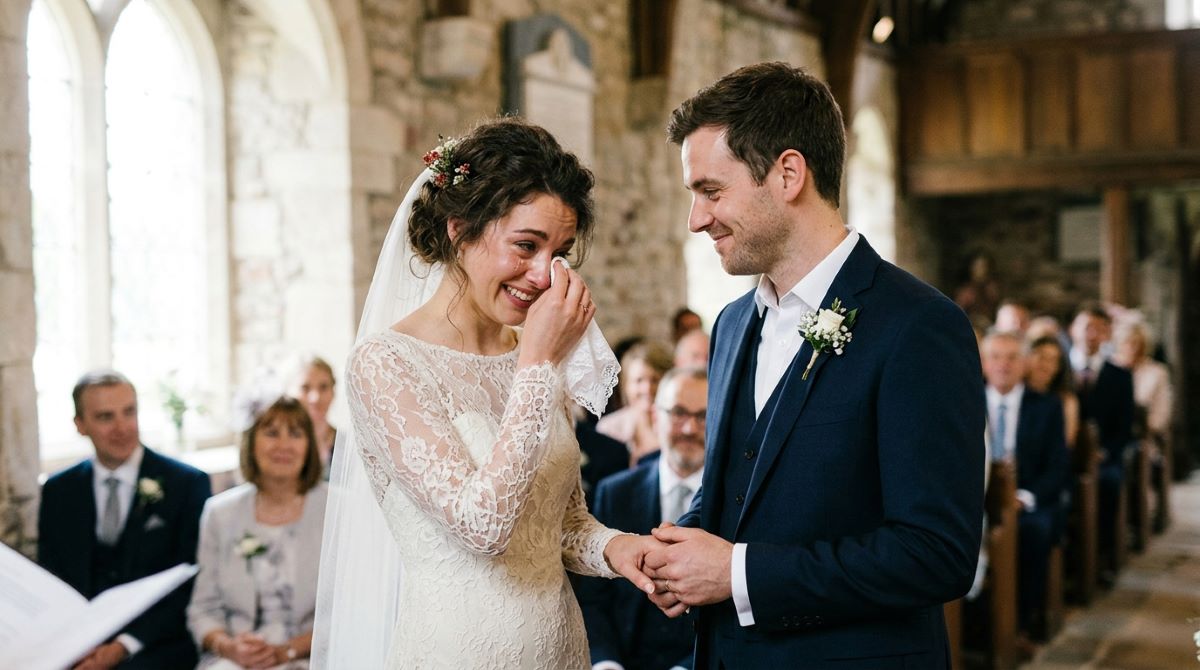
Documentary wedding photography is one of my favorite ways to capture the real emotions behind a wedding day. Instead of focusing only on perfect poses, it preserves the little moments that often mean the most the nervous smiles, happy tears, quiet glances, spontaneous laughter, family hugs, and all the beautiful reactions happening naturally around the couple.
From getting ready with loved ones to dancing at the reception, these photographs tell the story of the day in a way that feels genuine and personal. Even with a modest photography budget, it is possible to create this natural look by choosing meaningful locations, prioritizing candid coverage, and giving the photographer space to observe instead of directing every moment.
These 27 documentary wedding photography ideas can help create a wedding gallery that feels emotional, authentic, and completely true to the day.
Capture the Bride Getting Ready With Her Family
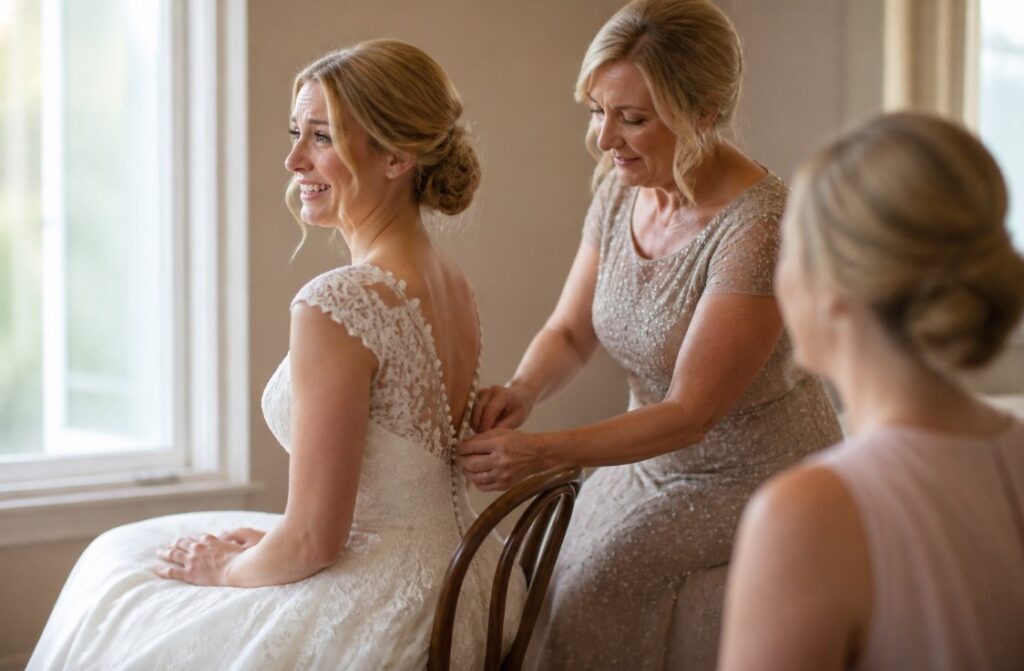
The getting-ready hours can hold some of the most personal wedding memories. Instead of photographing only the finished hairstyle and makeup, ask the photographer to watch what happens around the room.
A mother might adjust a veil. A sister might fix an earring. A bridesmaid could make everyone laugh while the bride tries to stay calm. These small interactions tell a richer story than a standard beauty portrait.
Keep the room comfortable and let people act naturally. Open curtains for soft daylight if possible. Move clutter away from one corner instead of spending money on elaborate decorations.
A simple chair near a window can become a beautiful spot for candid photographs. Keep meaningful items nearby, such as handwritten notes, family jewelry, or an old wedding photograph.
If the photography package has limited hours, starting coverage about 60 to 90 minutes before the ceremony can give enough time for these moments.
Ask your photographer to focus on reactions rather than perfect poses. The result will feel personal, relaxed, and connected to the people who helped you reach the wedding day.
If you love a more dramatic storytelling approach, these cinematic wedding photography ideas can add a beautiful movie-like feel to your wedding album.
Photograph the Groom With His Closest Friends
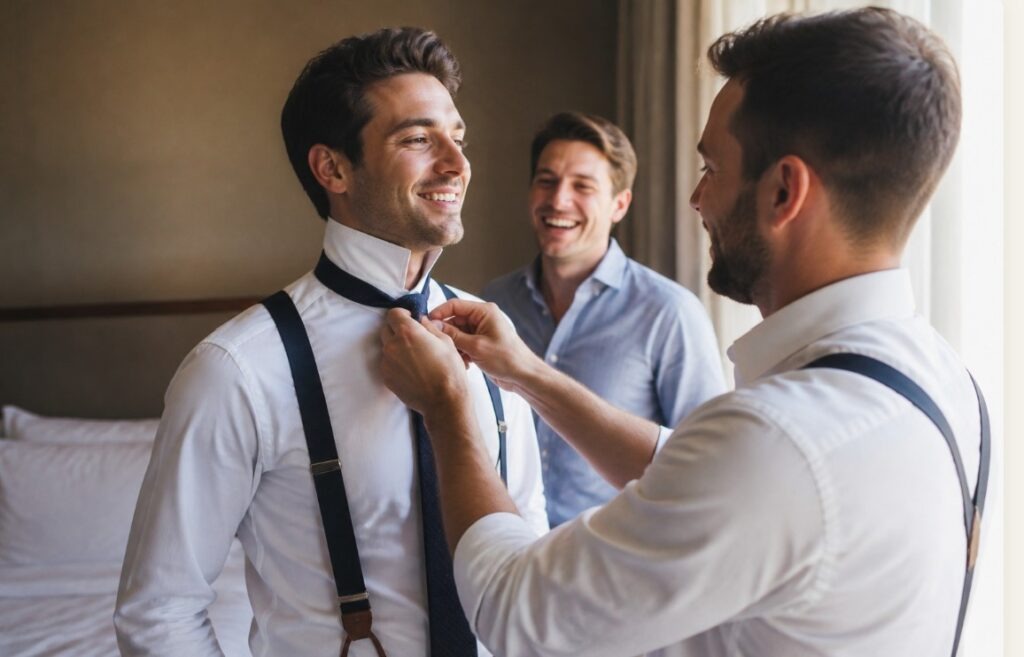
Grooms often have meaningful moments before the ceremony that can disappear if photography focuses only on formal portraits. A documentary approach lets those interactions happen naturally.
Photograph friends helping with cufflinks, fixing a boutonniere, sharing a joke, or simply sitting together. The goal is not to arrange everyone into identical poses.
A cramped hotel room can actually create an intimate photograph. Ask everyone to stay together while the photographer moves around quietly.
You can save money by using the natural room setting instead of renting a special getting-ready location. A window, mirror, chair, and clean wall may provide everything needed.
Encourage friends to behave as they normally would. If someone tells a funny story, let the photographer capture the reactions.
The groom can also have a quiet moment alone before leaving. Photographing him checking his watch, reading a note, or looking outside can add variety to the gallery.
These photographs show friendship and anticipation, giving the final wedding album a stronger sense of personality.
Capture the First Look Between Parent and Child
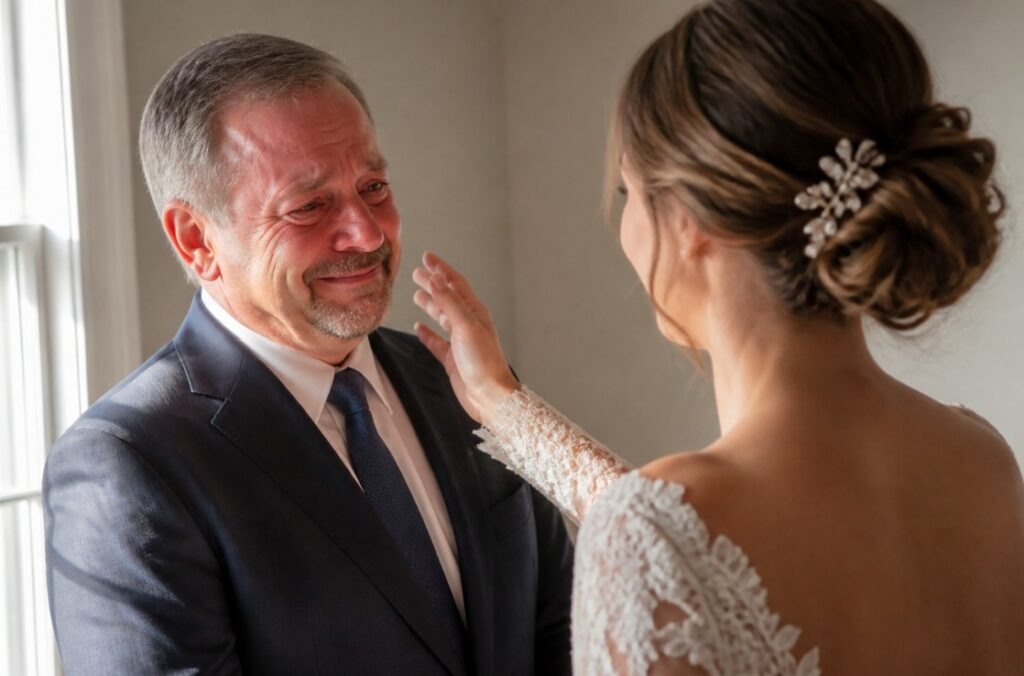
A first look does not have to involve only the couple. A parent seeing the bride or groom dressed for the wedding can create an incredibly personal photograph.
The moment works best when nobody is asked to perform an emotional reaction. Let the parent turn around naturally. Let the bride or groom walk into the room without instructions beyond where to stand.
The photographer can stay slightly back and use a longer lens. This keeps the interaction private while preserving facial expressions.
You do not need a decorated backdrop. A quiet hallway, bedroom, garden, or doorway can work beautifully.
If the parent becomes emotional, give them time. Do not rush to the next photograph.
Look for the second reaction too. A hug, hand squeeze, laugh, or whispered comment can be even more meaningful than the first expression.
For a budget-friendly setup, use natural window light and keep the background simple. Remove distracting objects from the immediate area.
These photographs become especially valuable because they preserve a relationship, not just a wedding detail.
Tell the Story With a First Look
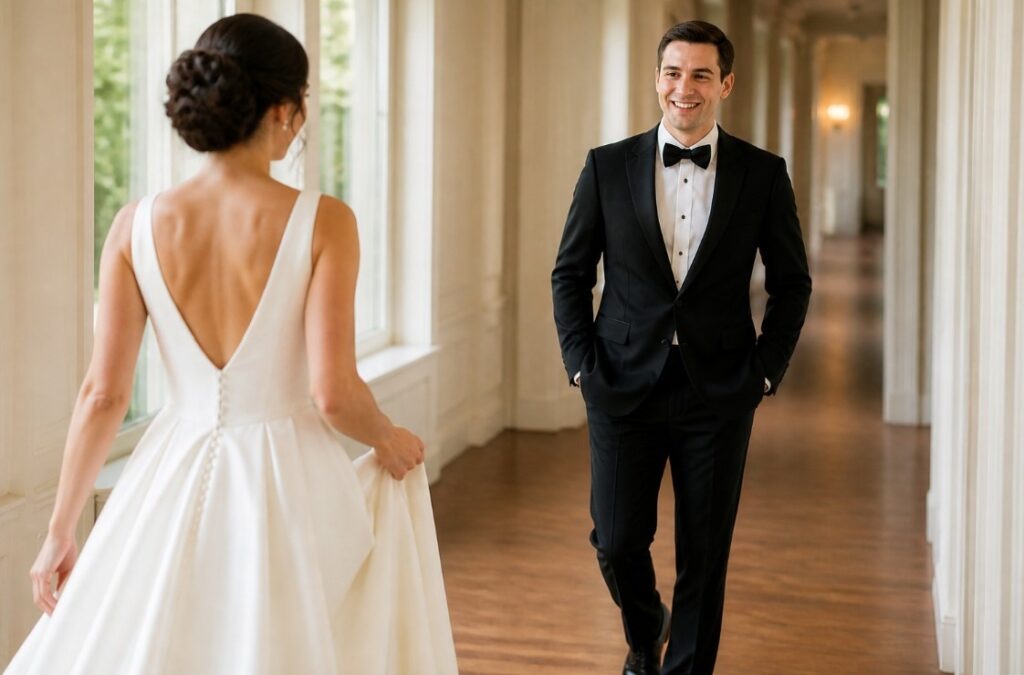
A private first look can create several documentary-style photographs without requiring elaborate posing. The photographer can capture the anticipation before the couple sees each other and the reaction immediately afterward.
Let one partner wait in a simple outdoor or indoor location. The other can approach naturally.
The best images may happen before the actual reveal. Nervous hands, a deep breath, a smile, or someone looking toward the doorway can tell the story.
After the reveal, allow the couple to hug, laugh, talk, or stand quietly together.
There is no need to repeat the moment for a better photograph. Genuine reactions are the goal.
For couples working with a smaller photography budget, a first look can also make the schedule more efficient. Some family photographs can happen before the ceremony, leaving more reception time for candid coverage.
Choose a location with soft natural light and minimal distractions. A garden path, quiet courtyard, or shaded porch can work well without additional décor.
For couples who want polished, fashion-inspired portraits, these editorial wedding photography ideas can bring a magazine-worthy touch to your special day.
Photograph Bridesmaids Reacting to the Bride
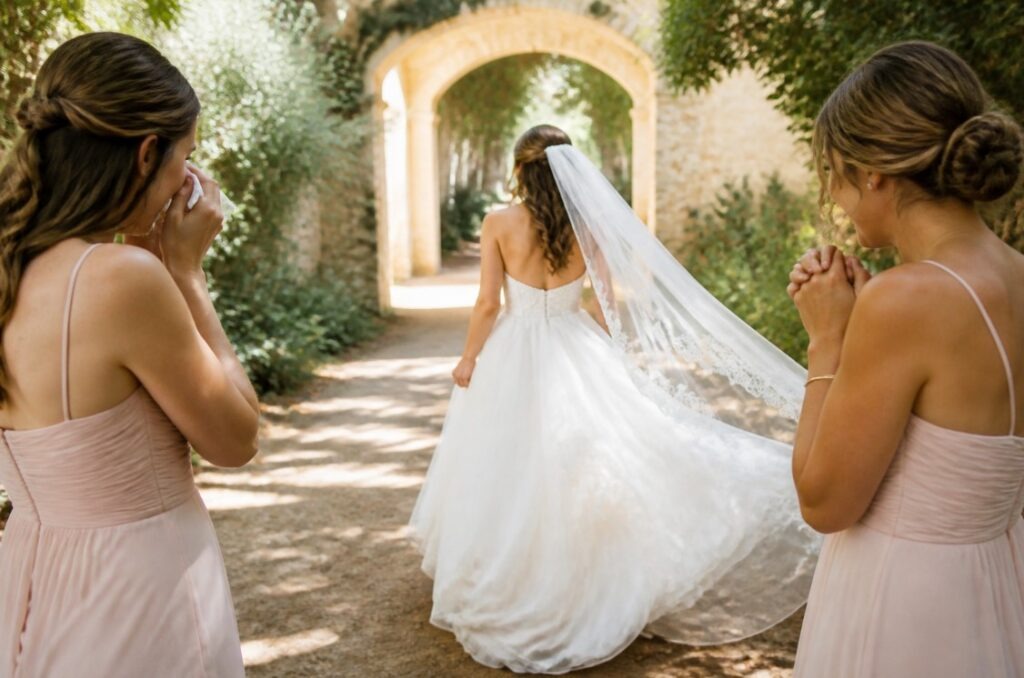
Bridesmaids often reveal genuine emotion before the bride even reaches the ceremony. Their reactions can create some of the strongest documentary images of the day.
Instead of arranging everyone for a group photograph, let the bridesmaids watch the bride enter or prepare to leave.
One person may laugh. Another may cry. Someone else might reach for a friend’s hand.
Photograph these reactions from different distances. A wider frame can show the group dynamic, while a closer photograph can capture one emotional expression.
You can create this opportunity without spending money on extra styling. Keep the bridesmaids together near a doorway, window, or ceremony entrance.
Ask them to interact naturally rather than saying everyone should smile.
If the wedding has children in the bridal party, watch their reactions too. A flower girl hiding behind a bridesmaid or a ring bearer looking around curiously can add warmth.
The best documentary images often come from people forgetting the camera is there.
Give the photographer permission to move quietly around the group and wait for authentic reactions instead of directing every frame.
Focus on Grandparents and Older Relatives
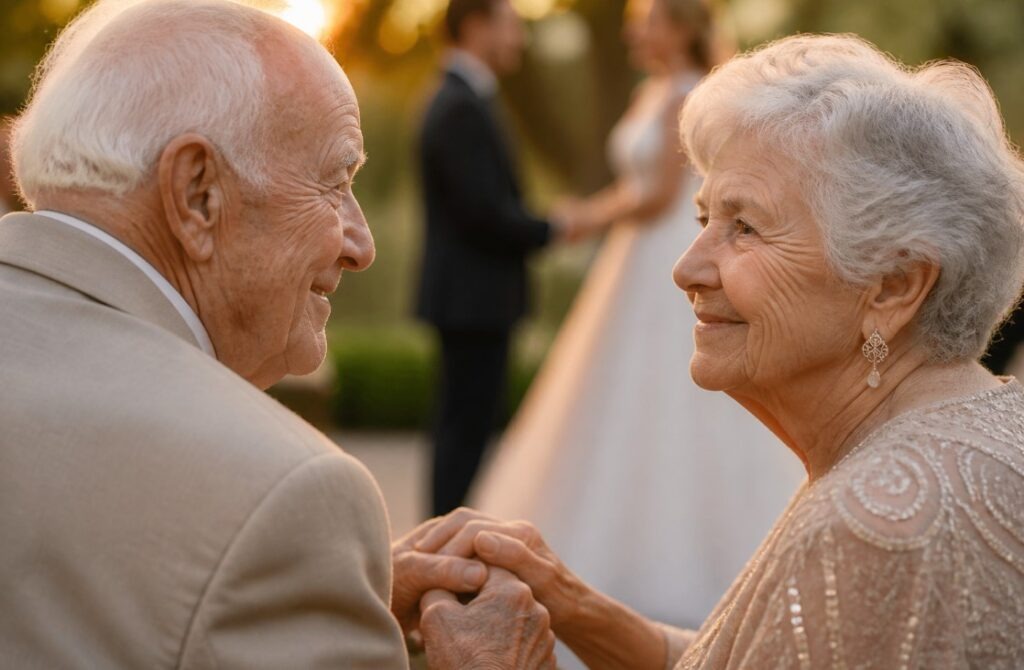
Older family members can add a powerful sense of history to wedding photographs. Their expressions, gestures, and relationships often deserve their own visual story.
Watch for grandparents holding hands, smiling at the couple, talking quietly, or watching the ceremony with tears in their eyes.
Avoid making every photograph feel formal. A candid image of a grandparent laughing with a child can feel more personal than a posed portrait.
If mobility is limited, keep the photography setup simple. There is no need to move relatives around for better backgrounds.
Photograph them where they are comfortable. A ceremony seat, reception table, porch, or lounge area can provide a natural setting.
You can also photograph meaningful details such as an older relative wearing a family brooch or holding a wedding program.
Ask family members about important relationships before the wedding. Give the photographer a short list of people who matter most.
That small amount of planning can help capture generational connections that might otherwise be missed.
Let Children Behave Like Children
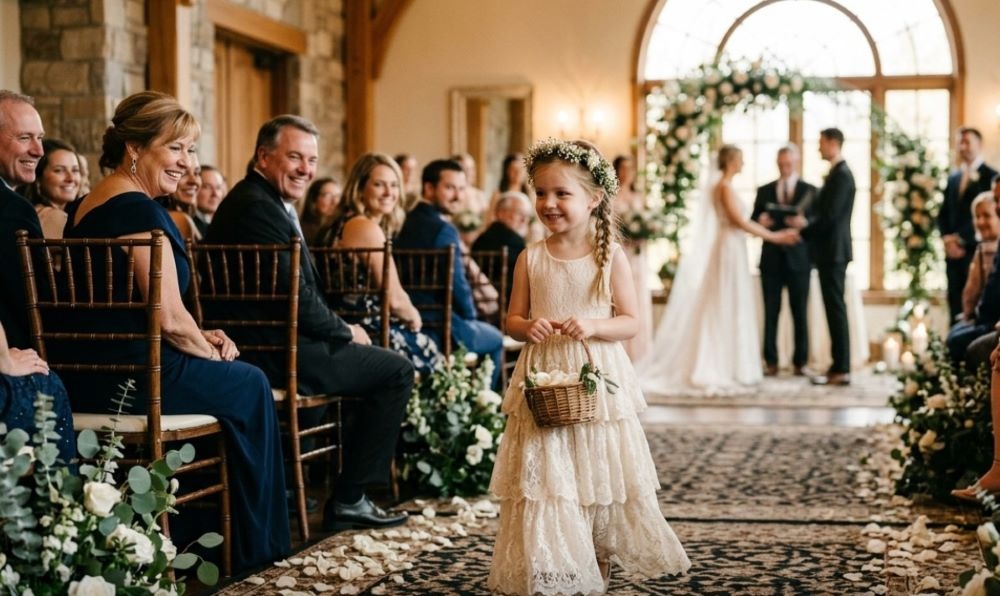
Children can bring unpredictability and humor to a wedding. Documentary photography works especially well because it records what they naturally do.
A flower girl may stop to look at flowers. A ring bearer might wave at someone. A young guest could dance during the reception or fall asleep in a parent’s arms.
Do not force children into repeated poses. Let them explore safely and interact with people around them.
Photographers can capture these moments from a distance so children do not become camera-conscious.
Parents can help by keeping children comfortable rather than asking them to smile repeatedly.
For a budget-friendly idea, designate a simple area where children can sit, draw, or play during the reception. Natural interaction often creates better photographs than expensive entertainment.
Look for moments between activities too. A child fixing their shoes, holding a flower, or watching the couple can make a sweet storytelling image.
These photographs bring energy, humor, and personality into the wedding gallery while preserving how young family members actually experienced the day.
Capture the Partner’s Reaction During the Ceremony
One of the most meaningful ceremony photographs may be the person waiting at the altar. Their face can reveal excitement, nerves, love, and surprise in a single sequence.
Ask the photographer to watch the partner as the bride or groom approaches.
A close photograph can capture watery eyes or a smile. A wider image can show the surrounding guests reacting at the same time.
Avoid asking the partner to recreate the reaction later. The original moment is much more personal.
The photographer can position themselves where they have a clear view without blocking guests.
If the ceremony space has large windows, plan the couple’s position so natural light falls gently across their faces.
You can also ask the officiant to leave a few quiet seconds before the ceremony continues. This gives the photographer time to capture expressions.
For a smaller budget, prioritize real ceremony coverage over elaborate staged photographs. The emotional sequence can become one of the most valuable parts of the final gallery.
Photograph Parents Watching the Vows
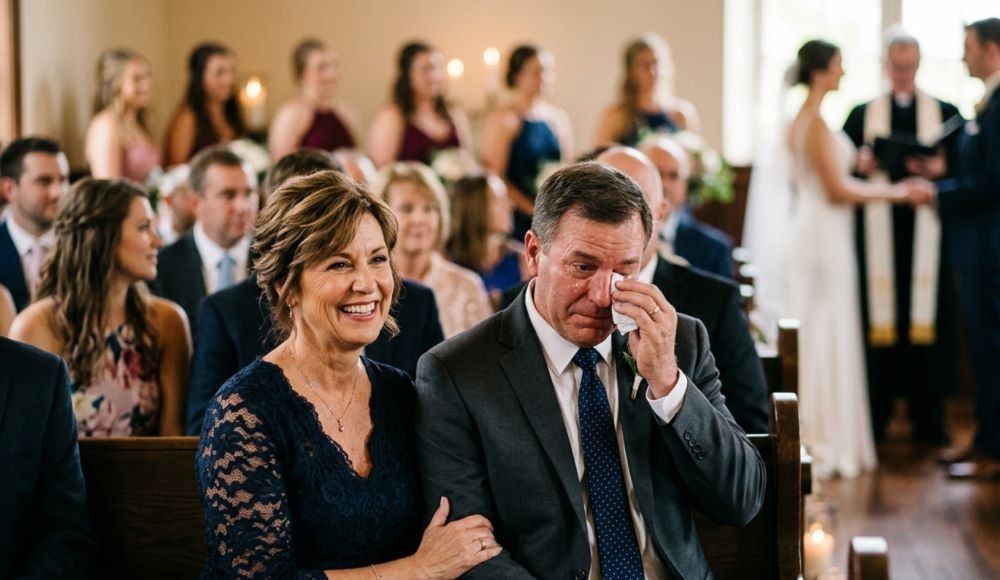
Parents often experience the ceremony almost as intensely as the couple. Their reactions can tell another side of the wedding story.
Watch for parents looking at their child, holding hands, smiling, crying, or exchanging quiet comments.
A longer lens can capture these expressions without interrupting the ceremony.
Do not ask parents to look at the camera. Their attention should stay on the couple.
Before the wedding, tell the photographer which parents or guardians are especially meaningful. This makes it easier to notice them during busy moments.
You can also include siblings, grandparents, or close friends who have supported the couple for years.
There is no need for special décor. The ceremony itself provides the setting.
If the ceremony is short, ask the photographer to prioritize these reactions rather than spending too much time on repeated formal images.
A photograph of a parent watching their child say vows can become a family heirloom because it preserves the emotion from their point of view.
Focus on Hands During Meaningful Moments
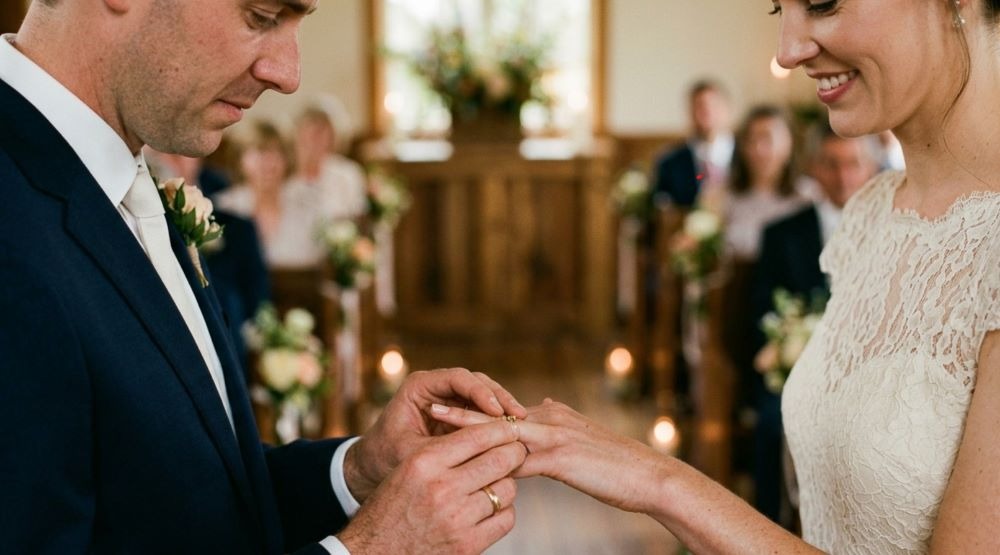
Hands can tell a wedding story without showing a full face. They can reveal nervousness, affection, excitement, and connection.
Photograph hands exchanging rings, holding bouquets, squeezing a parent’s hand, or resting together during the ceremony.
Look for natural gestures rather than asking people to position their fingers.
A close-up of two hands can work beautifully when the background stays soft.
You can also capture a grandmother adjusting a bracelet or a parent holding a child’s hand during the ceremony.
These photographs are easy to create without special props. Use whatever meaningful objects already belong to the couple.
If you have family jewelry, photograph it being worn rather than displaying it alone.
For a budget-friendly album, mix these detail photographs with wider emotional images. This creates visual variety without requiring extra locations.
The goal is to show what people were doing, not simply how they looked.
Small hand gestures can become some of the most personal images in a documentary wedding collection.
Photograph the Recessional as It Happens
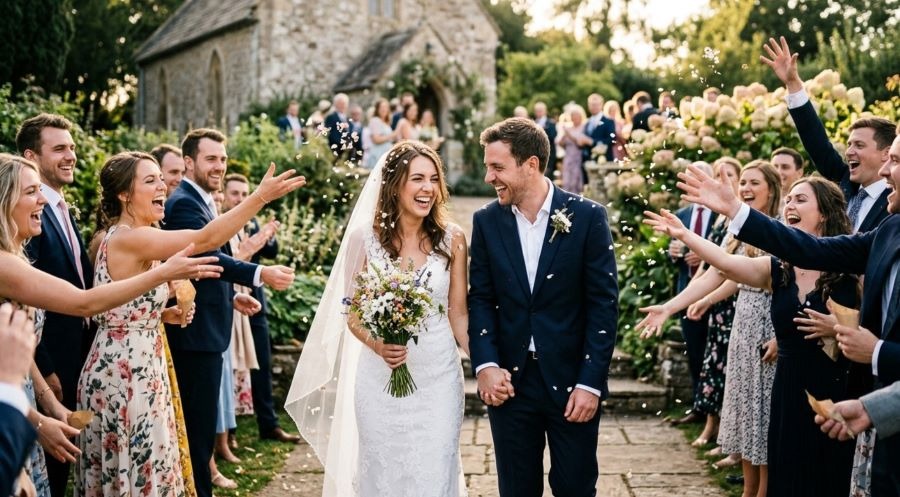
The walk back down the aisle often creates an entirely different mood from the entrance. The ceremony is finished, and the couple can finally react freely.
Photograph their smiles, laughter, handholding, and interactions with guests.
Friends may reach toward them. Family members may clap or cry. The couple may stop for a quick hug.
Do not ask everyone to walk at the same speed. The natural movement creates variety.
A wide photograph can show the entire celebration. A close frame can capture the couple’s expressions.
If the venue has an outdoor exit, use the available daylight instead of adding expensive lighting.
You can also ask guests to stay where they are while the couple walks past. This creates an authentic tunnel of reactions without requiring decorations.
The recessional is short, so tell your photographer in advance that natural post-ceremony emotion matters to you.
These photographs often feel joyful because everyone has relaxed after the formal ceremony.
Document the Congratulations Line
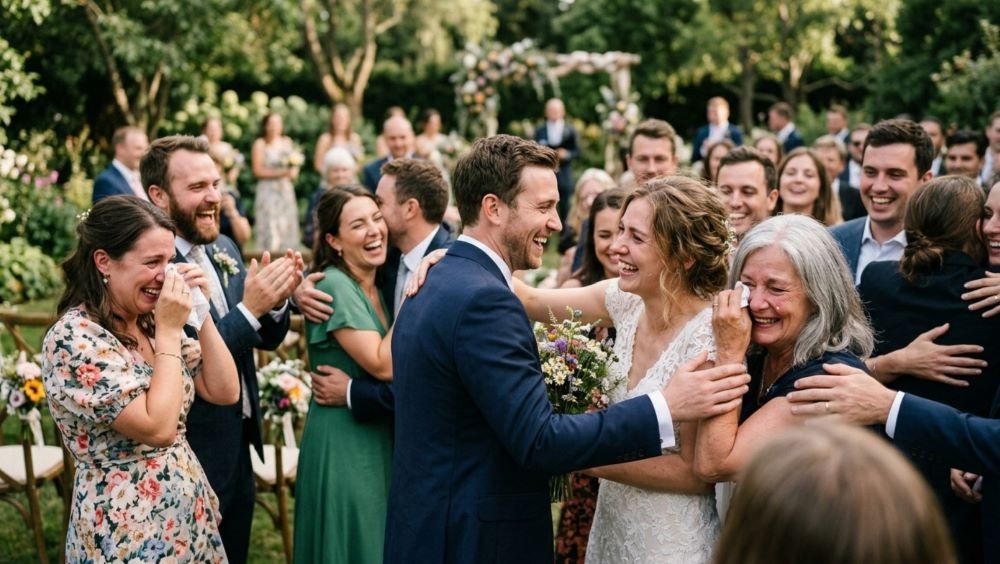
The few minutes after the ceremony can produce dozens of genuine interactions. Guests approach the couple with hugs, kisses, handshakes, and emotional words.
Instead of posing every guest, photograph these greetings as they happen.
The photographer can stand slightly to the side and capture the interaction from different angles.
Parents might hold the couple for a long hug. Friends may jump into a group embrace. Someone may laugh while another guest cries.
A simple receiving line can create a natural sequence of photographs without additional décor or rentals.
If the schedule is tight, keep greetings moving while allowing enough time for close family members.
You can also ask the photographer to watch the people waiting their turn. Their expressions can reveal anticipation and excitement.
This approach gives you real guest reactions rather than a collection of identical posed photographs.
For couples on a budget, it is a smart way to get many meaningful images from one small area.
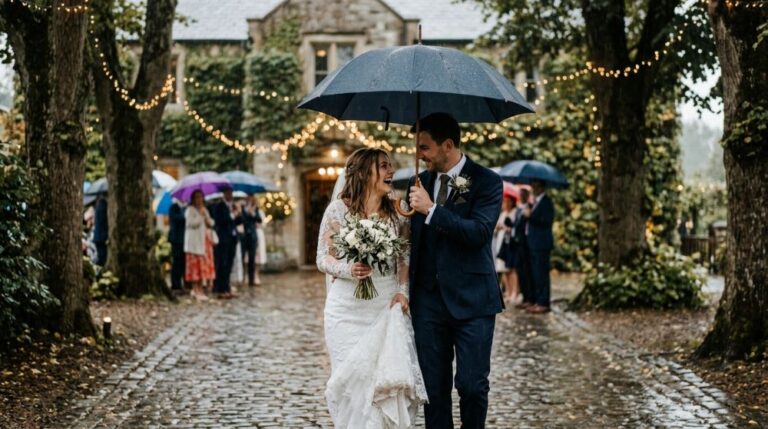
Love intimate and emotional moments? These rainy wedding photos show how an unexpected rainy setting can create incredibly romantic memories.
Capture the Long Family Hug
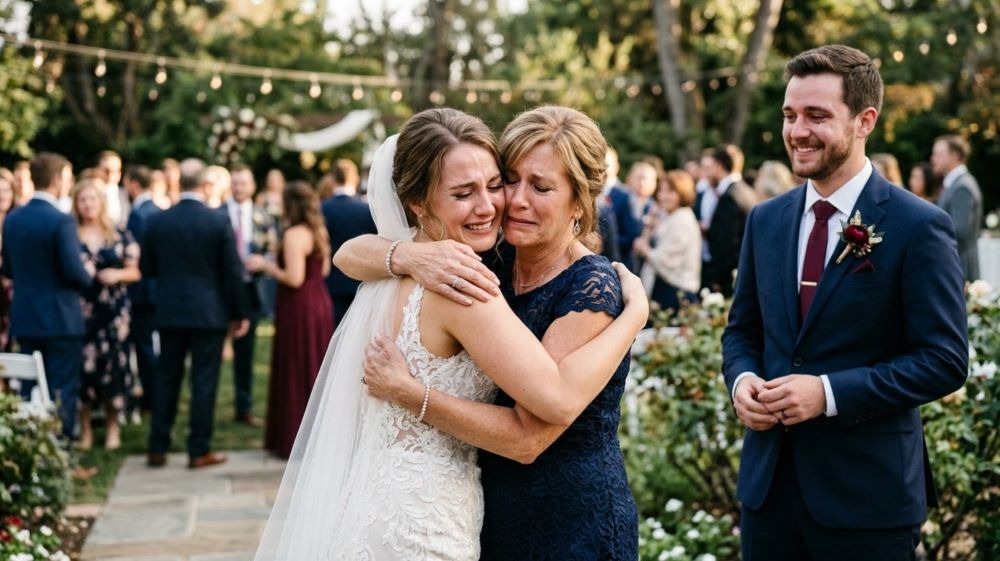
Some wedding hugs last only a second. Others continue long enough for the photographer to capture several emotional frames.
Watch for hugs between parents and children, siblings, grandparents, and longtime friends.
Do not interrupt the interaction by asking people to pose differently.
Move quietly and photograph the sequence as it happens. One frame might show the first embrace, while another captures the smile afterward.
These photographs work particularly well when the background remains simple.
A hallway, garden, ceremony aisle, or reception entrance can all provide enough visual space.
If your venue has limited photography time, tell the photographer which family relationships matter most. That helps them prioritize.
You can also create a family photograph without asking everyone to line up. A natural group hug can feel much warmer.
The most valuable part of these images is often the body language. A hand on someone’s back or a tight embrace can communicate more than a posed smile.
Photograph Siblings and Friends Being Themselves
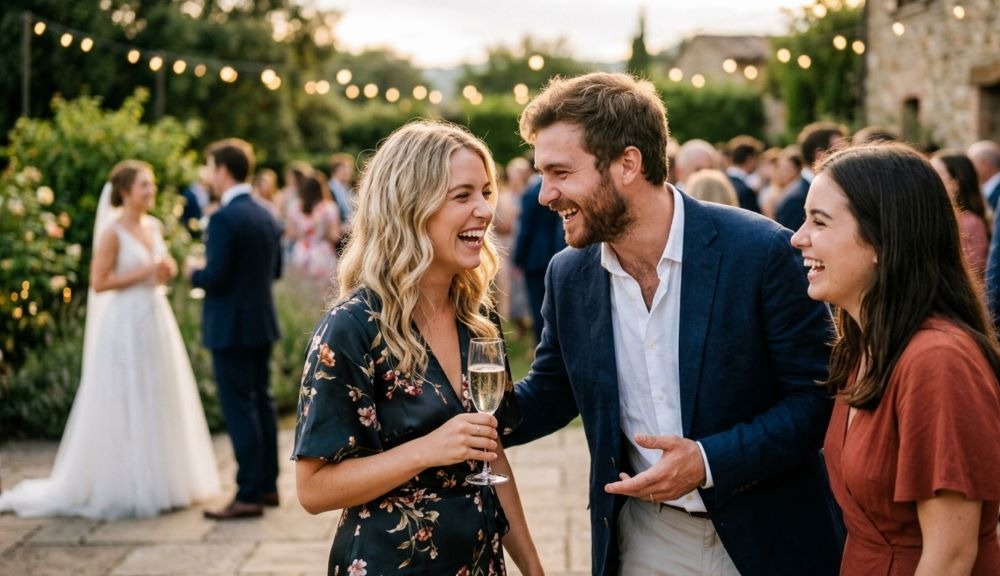
Wedding albums often focus heavily on the couple. Yet siblings and friends can create some of the funniest and most emotional photographs.
Let them talk, laugh, dance, or tease each other naturally.
The photographer can watch from nearby instead of arranging everyone into a group pose.
A cocktail hour is a perfect time for these photographs because people are relaxed.
You do not need expensive entertainment or special activities. A comfortable seating area can encourage natural conversation.
Ask friends to stay together for a few minutes if they are usually separated during the reception.
Photograph different personalities. The quiet friend checking on the bride can be just as meaningful as the loud friend making everyone laugh.
If someone has known the couple since childhood, look for interactions between them.
These photographs create a fuller picture of the couple’s social world.
They also help the album feel less like a collection of formal wedding images and more like a record of the people who shared the day.
Take a Quiet Walk With the Couple
A short walk can give the couple space to breathe while creating intimate documentary photographs.
Instead of posing them repeatedly, ask them to walk somewhere together and talk.
The photographer can follow from a distance.
The couple might laugh about something that happened during the ceremony or simply enjoy a quiet moment away from guests.
Choose a nearby path, garden, courtyard, or quiet hallway. There is no need to travel to another location.
If the wedding venue has attractive natural light, use it. Soft evening light can create a beautiful atmosphere without extra equipment.
Ask the couple to ignore the camera as much as possible. Their natural movement will make the photographs feel relaxed.
A short five- or ten-minute walk can produce a complete sequence.
For couples working with a limited photography package, this approach is useful because one small area can provide many different frames.
Keep the session simple. The goal is conversation and connection, not a long portrait session.
Capture a Quiet Moment Away From Guests
Wedding days can become busy quickly. A quiet photograph of the couple alone can create a peaceful pause in the album.
Look for moments when they naturally step away from the crowd.
They might sit on stairs, stand near a window, walk outside, or hold hands behind the venue.
Do not ask them to stare into the camera. Let them talk or simply enjoy a few quiet seconds together.
These photographs often work best with soft side lighting and uncluttered backgrounds.
You can create this opportunity without booking a separate portrait location.
Ask the venue coordinator about a quiet corner that is close enough for the couple to reach quickly.
If the wedding has a tight timeline, five minutes can be enough.
The photographer should remain unobtrusive and avoid turning the moment into a formal portrait session.
A quiet frame can show how the couple felt together, not just how they looked.
That contrast can make the final gallery feel more natural and emotionally complete.
Photograph Guests Dancing Naturally
Reception dancing creates endless documentary opportunities. People stop thinking about the camera once the music starts.
Let guests dance in their normal way. Avoid stopping the music for repeated group poses.
Photograph wide scenes that show the energy of the room. Then move closer for individual expressions and funny interactions.
Friends may form circles. Parents may dance together. Children might copy adults.
You can also photograph people watching from the edges of the dance floor.
Lighting does not have to be expensive. Work with the venue’s existing lights when possible.
If you want a softer look, ask the photographer to use available light rather than filling every frame with flash.
Give guests enough room to move. A crowded dance floor can create natural layers in photographs.
The best images may show movement, laughter, and imperfect dancing.
Those details make the reception feel alive when you look through the album later.
Photograph Parent-Child Dances Honestly
Parent-child dances can become emotional very quickly. Documentary photography allows the photographer to capture the relationship without making the pair perform for the camera.
Focus on natural eye contact, smiles, laughter, and quiet moments.
A parent might whisper something to their child. The couple may laugh at a private memory. Someone might become emotional during the song.
Photograph both close details and wider frames.
A wide photograph can include guests watching from the room. A close photograph can focus on hands or expressions.
If the venue has limited lighting, keep the couple near the brightest available area when possible.
There is no need for additional stage decoration.
Tell the photographer which parent-child dances matter to you so they can prepare for the timing.
Avoid stopping the dance for posed photographs.
The genuine movement of the dance creates a stronger sense of connection than a staged pose.
These photographs can become especially meaningful for families because they preserve the relationship behind the tradition.
Make the Cake Cutting Candid
Cake cutting can easily become a staged sequence, but it can also produce playful documentary photographs.
Let the couple interact naturally instead of repeating the cake-cutting action for the camera.
Capture their expressions before the first cut, their hands holding the knife, and their reactions afterward.
If frosting gets on someone’s face, photograph the laughter instead of immediately cleaning it up.
Guests watching nearby can add context to the scene.
A simple cake table is enough. You do not need expensive decorations for a strong photograph.
Use flowers, candles, or family cake stands you already have if you want extra visual interest.
Keep the cake area close to the reception so guests naturally gather around it.
Tell your photographer when the cake cutting will happen so they are ready before everyone arrives.
The goal is to capture the fun surrounding the tradition, not just a photograph of two people holding a knife.
Capture the Bouquet Toss From Every Angle
The bouquet toss can create lively photographs because guests naturally react with excitement.
Instead of focusing only on the bouquet in the air, photograph the people waiting, jumping, laughing, and reacting.
A wide frame can show the entire group. A close frame can capture one person’s surprised expression.
The bride’s reaction afterward can also make a fun photograph.
You can save money by using the same bouquet for the toss rather than ordering a separate arrangement if your florist offers a suitable option.
Choose an open area with enough room for guests to move safely.
The photographer should position themselves where they can see both the bride and the guests.
Do not ask people to repeat the toss unless something goes wrong.
The unpredictability is part of the appeal.
A documentary-style sequence can show anticipation, action, and reaction in just a few photographs.
Photograph the Final Send-Off
The wedding send-off can create a dramatic final chapter for the gallery. Yet the strongest images often come from the people rather than the exit props.
Photograph guests gathering, friends cheering, and the couple reacting as they leave.
If you use sparklers, follow the venue’s safety rules and choose a designated outdoor area.
For a lower-cost option, guests can wave ribbons, dried flowers, or small paper streamers.
The photographer should capture both wide and close views.
A wide image shows the full group surrounding the couple. A close frame can show their expressions as they walk away.
Let the couple move naturally instead of asking them to stop repeatedly.
If there is no formal send-off, a simple walk toward the car can still create a meaningful final photograph.
These images work well near the end of an album because they show the wedding day coming to a close.
Capture the Couple Leaving the Reception
Leaving the reception can feel completely different from the beginning of the wedding day. The couple may look tired, happy, relieved, and deeply connected.
Photograph them walking toward their car or leaving through the venue doors.
A quiet frame of them holding hands can be enough.
You can also photograph friends waving goodbye in the background.
There is no requirement for a fancy getaway car. A regular vehicle can still create a meaningful photograph when the moment is genuine.
Ask the venue team to keep the exit path clear for a few minutes.
If the couple wants a final private moment, let the photographer stay farther away.
The last photographs can include small details, such as the bride lifting her dress slightly or the groom carrying a jacket.
These images bring a natural ending to the visual story.
They show what happened after the formal celebrations, which can make the wedding album feel like a complete day rather than a collection of isolated poses.
Photograph Handwritten Letters and Reactions
Letters can add a private emotional layer to documentary wedding photography.
If the couple exchanges handwritten notes before the ceremony, photograph the moment each person reads theirs.
Focus on reactions rather than trying to photograph the words on the page.
A smile, laugh, tear, or quiet pause can tell the story.
You can use a simple letter written on ordinary stationery. It does not have to be expensive.
Photograph the envelope, hands, and expression as separate frames.
Keep the actual message private if the couple does not want the words photographed.
A window seat or quiet bedroom can provide beautiful natural light.
Tell the photographer about the letter exchange ahead of time so they can be nearby without interrupting.
The sequence can include anticipation, reading, emotion, and reflection.
These photographs can feel deeply personal because they document something created specifically for the couple.
Include Meaningful Family Heirlooms
Family heirlooms can connect the wedding day with previous generations.
Photograph a grandmother’s necklace being placed around the bride’s neck. Capture an old wedding ring being held before the ceremony. Photograph a family photograph resting beside the couple’s invitation.
The best images show the heirloom being used rather than simply sitting on a table.
Ask relatives to explain the story behind important pieces before the wedding. This can help the photographer recognize meaningful moments.
You do not need a special styling setup.
Use a clean surface, soft window light, or the place where the item naturally appears.
Keep valuable pieces secure and return them to a trusted family member after photography.
These details can also work as transitions between larger emotional photographs in an album.
A photograph of an heirloom can represent family history, love, and continuity without requiring a single person to pose.
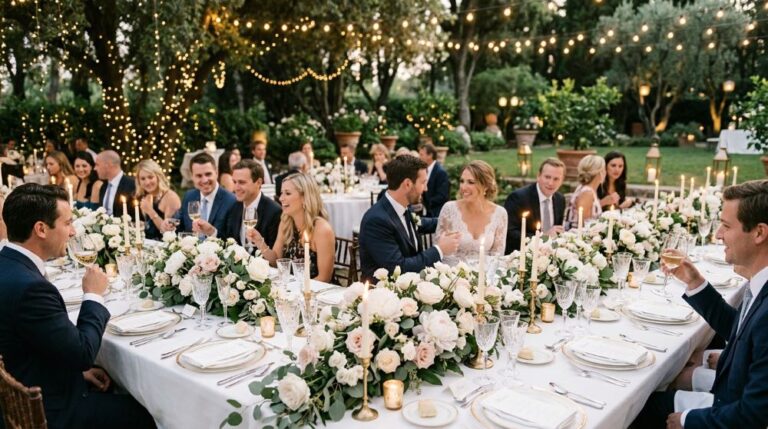
Photograph Real Conversations During Dinner
Dinner provides a quieter period where guests often relax enough for genuine conversations.
Photograph people talking across tables, laughing at stories, raising glasses, and checking in with family members.
Avoid asking guests to stop eating and smile.
Move quietly between tables and wait for natural interactions.
A wide frame can show the reception atmosphere, while closer photographs can focus on individual conversations.
You do not need elaborate centerpieces. Simple flowers, candles, or greenery can add enough visual detail.
If the room is dark, ask the photographer how they prefer to handle reception lighting before the wedding.
Give them a short list of important guests so they know which tables deserve extra attention.
These photographs help preserve the social side of the wedding.
Years later, couples may enjoy seeing who sat together, who laughed with whom, and how their families interacted.
That information can disappear quickly without candid photographs.
Capture Friends Helping With Small Details
Friends often become unofficial wedding helpers. They fix clothing, carry flowers, adjust veils, find missing items, and calm nervous couples.
These moments can make wonderful documentary photographs because they show care in action.
Photograph a bridesmaid fixing a dress strap or a friend adjusting the groom’s boutonniere.
Do not interrupt unless something truly requires attention.
A simple room with window light can create a beautiful setting.
You can also photograph someone holding a bouquet while the bride checks her shoes or helping another guest with jewelry.
These images cost nothing because they happen naturally during the day.
If the wedding party has assigned helpers, tell the photographer who they are.
This makes it easier to recognize these interactions quickly.
The final gallery will then include photographs of the people behind the scenes, not just the couple.
Those images can become some of the most touching because they show friends and family actively caring for the newlyweds.
Tell the Whole Wedding Story From Beginning to End
The strongest documentary wedding gallery feels like a complete story. It should not contain only beautiful portraits. It should show what happened before, during, and after the ceremony.
Start with quiet details and getting-ready moments. Move into family reactions, the ceremony, congratulations, portraits, dinner, dancing, and the final goodbye.
Ask your photographer to look for moments between planned events. These often contain the most natural photographs.
You can keep costs manageable by choosing fewer formal setups and allowing more time for candid coverage.
Before the wedding, create a short priority list. Include parents, grandparents, siblings, close friends, meaningful traditions, and special family items.
Share the list with your photographer.
You can also tell them which moments you do not want photographed.
The final collection should feel like your actual wedding day, including laughter, tears, quiet pauses, imperfect dancing, messy cake, and spontaneous hugs.
That is what makes documentary photography so personal.
Instead of trying to make every photograph perfect, let the day happen and preserve it honestly.
Conclusion
Documentary style wedding photography is about preserving the real story behind the celebration. The nervous smiles, family hugs, unexpected laughter, quiet glances, wild dancing, and small acts of care can become the photographs you value most. You do not need expensive locations or elaborate props to create this feeling. Give your photographer room to observe, share the people and moments that matter most, and let your wedding day unfold naturally. With these 27 ideas, you can create a wedding gallery filled with genuine emotion, meaningful relationships, and memories that feel true to the day you actually lived.
Alongside candid moments, the right wedding photography poses can help you capture beautiful portraits without losing the natural feeling of the day.

Emma is the author and creative voice behind TheFashionary, sharing inspiring ideas on bridal fashion, wedding dresses, hairstyles, and timeless style. She loves discovering beautiful fashion trends and helping readers find inspiration for their special moments.