14 Wedding Planner Ideas Every Bride Needs Before the Big Day
Planning a wedding can feel like juggling a hundred small decisions at once, from picking a venue to figuring out what goes in your emergency kit on the big day. The good news is that most of that stress comes down to having the right systems in place early, not spending more money. This list pulls together practical, budget-friendly ideas that real couples use to stay organized, save cash, and actually enjoy the process instead of drowning in spreadsheets and vendor emails. Whether you’re twelve months out or scrambling with six weeks left, these ideas will help you build a wedding day that feels calm, personal, and paid for.
Build a Realistic Wedding Budget Spreadsheet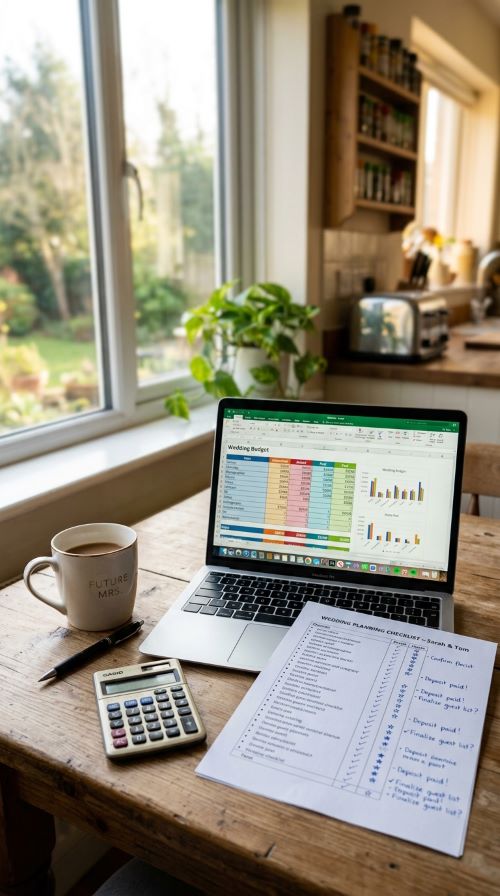
Money fights are one of the biggest sources of wedding stress. A simple spreadsheet fixes that before it starts. List every category you can think of: venue, food, flowers, attire, photography, and the small stuff like tips and postage. Add a 10 percent buffer for surprises, because there are always surprises. Free templates from Google Sheets work fine, so skip paid planning apps unless you really want them. Update the sheet every week, not just when a bill comes due. Color-code paid versus pending items so you can glance at it and know where you stand. Couples who track spending early usually cut costs by trimming categories they didn’t realize were bloated, like invitations or favors. If you’re on a tight budget, put your biggest dollars toward what guests actually remember: food, drinks, and music. Everything else can be scaled down without anyone noticing. Share the sheet with your partner and check in together twice a month. That small habit keeps both of you on the same page and stops last-minute money stress before it starts.
Create a Wedding Planning Timeline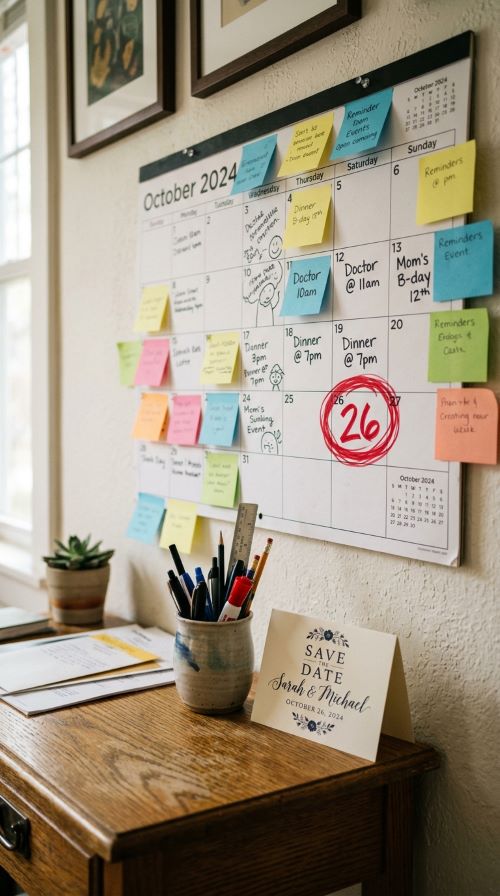
A timeline keeps you from doing everything at once in a panic. Break your planning into three phases: twelve months out, six months out, and the final six weeks. Big bookings like venue and photographer go first. Smaller tasks like favors and welcome bags come last. Print a simple month-by-month checklist and pin it somewhere you’ll actually see it, like your fridge or a home office wall. Free printable timelines are easy to find online, so there’s no need to buy a planning kit. Break tasks into small chunks instead of vague goals. Instead of writing “book flowers,” write “get three florist quotes by Friday.” Small, specific tasks get done faster than big, fuzzy ones. Set reminders on your phone for deposit due dates so nothing slips through the cracks. If you’re planning with a partner, split tasks by strength: one person handles vendor calls, the other handles paperwork and payments. A clear timeline turns a big project into a series of small, doable steps.
Pick a Season and Date That Fits Your Vision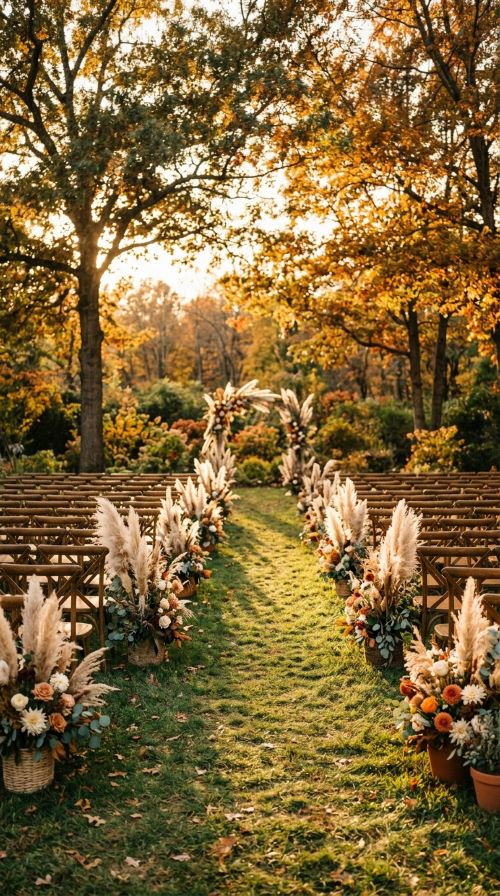
Your date shapes almost every other decision, so pick it with intention. Off-season dates, like January or February, often come with lower venue rates and more availability. Weekday weddings can save hundreds or even thousands compared to a Saturday booking. Think about weather too. A fall date means built-in color without spending on extra florals. A spring date means blooming gardens without renting greenery. If you have a big guest list from out of town, avoid major holiday weekends when flights get expensive. Check local event calendars for conflicting festivals or sports games that could raise hotel prices near your venue. If you’re flexible, ask a few venues which dates they discount, since many offer lower rates to fill slow months. A well-chosen date can quietly save you thousands without cutting a single guest or dish from the menu. Take your time with this one. It affects budget, weather, guest turnout, and photo lighting all at once, so it deserves more thought than people usually give it.
Choose a Venue That Matches Your Style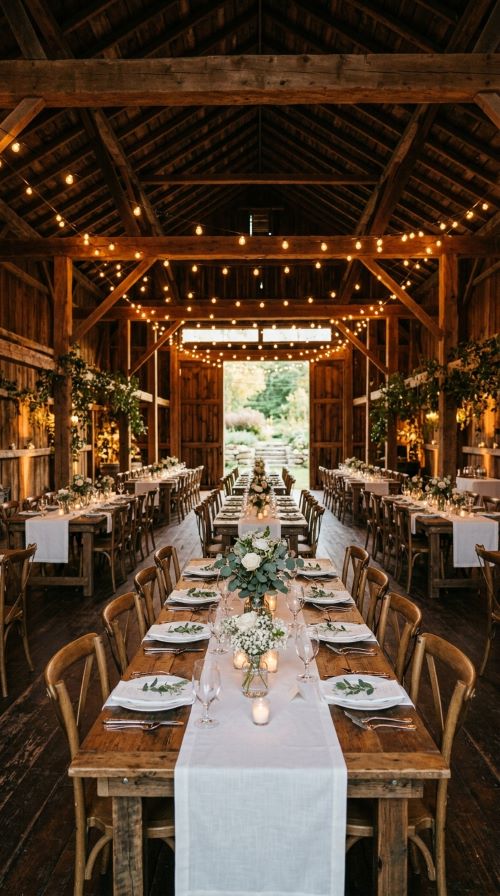
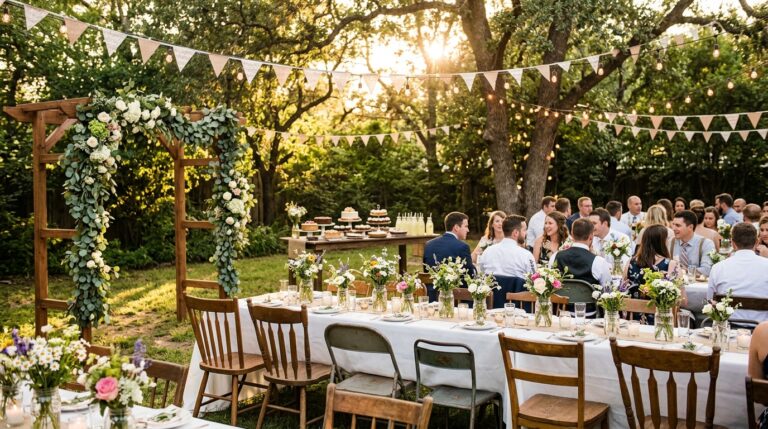
Your venue sets the tone before a single flower gets ordered. Think about your style first: rustic barn, modern loft, backyard garden, or a simple community hall. Venues that already look good on their own save you money on decor. A barn with wood beams needs little more than candles and greenery. A blank event hall needs more work and more budget. Ask what’s included in the rental fee, like tables, chairs, or linens, since that can change your bottom line fast. Backyard weddings or family properties can cut venue costs to almost nothing, just add rental chairs and a tent if needed. Visit at the same time of day you plan to get married so you can see the real lighting. Ask about noise curfews, parking, and weather backup options before signing anything. A venue that fits your style naturally means less spent trying to transform it into something it’s not. Simple, well-matched spaces often photograph better than heavily decorated ones anyway.
Set Up a Digital Wedding Planning Binder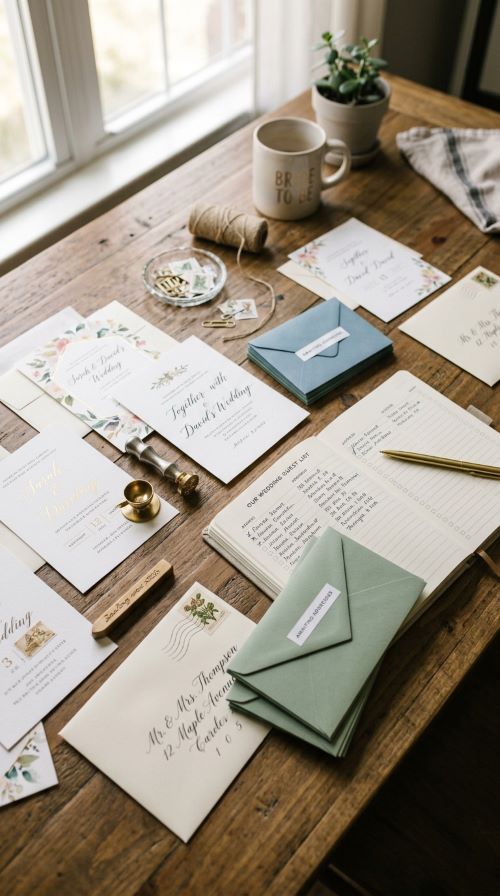
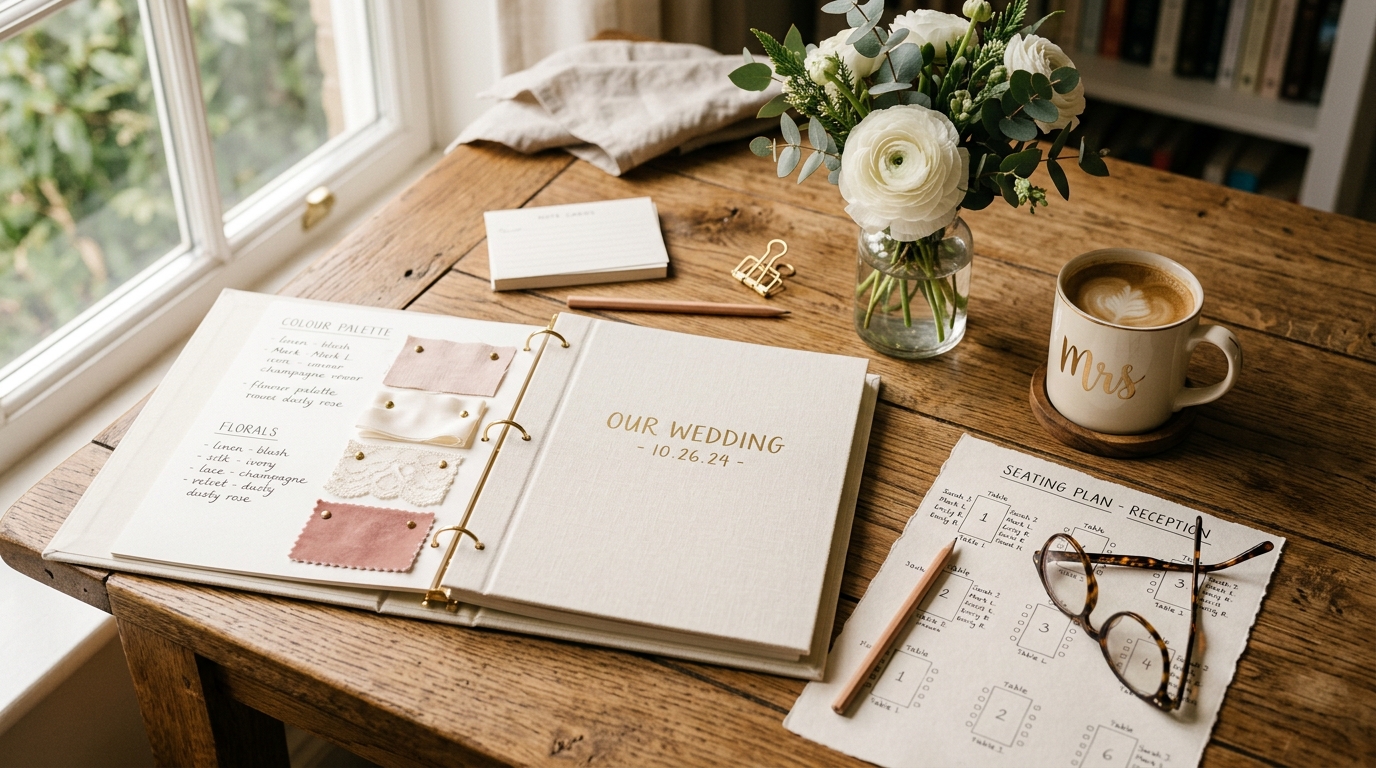
Paper folders get messy fast. A digital binder keeps everything in one place you can access from your phone. Use a free tool like Google Drive or Notion to organize folders by category: contracts, inspiration photos, guest list, and payment receipts. Share the folder with your partner or planner so nobody has to text “where’s that file” ever again. Scan paper contracts the day you sign them, don’t wait. Keep a running notes page for questions to ask vendors, so you never forget one on a call. Back up photos of your inspiration board here too, pulled from Pinterest or Instagram, so your vision stays consistent across vendors. This system costs nothing and saves real time later when you’re comparing quotes or double-checking a delivery date. A digital binder also travels well. If you’re meeting a florist at a coffee shop, you have every reference photo and measurement right on your phone, no forgotten folder left at home.
Draft Your Guest List Early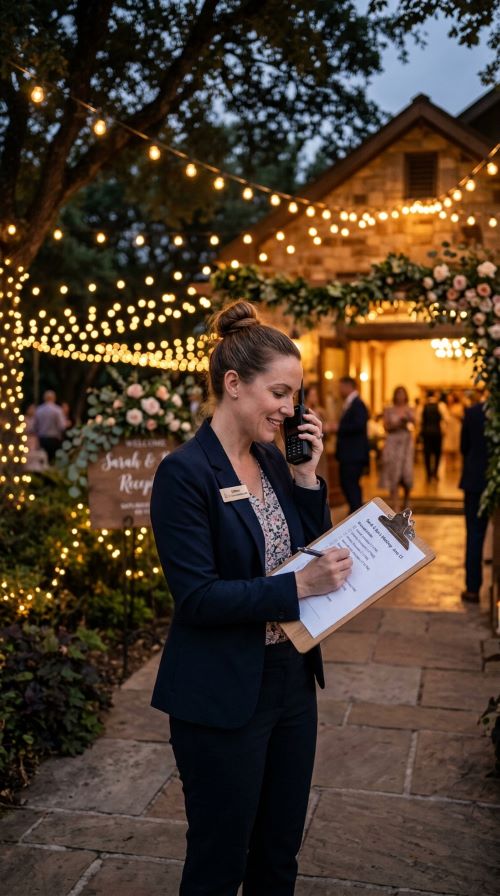
Your guest count drives almost every other cost, so nail it down early. Start with a rough draft split into three groups: must-invite, would-like-to-invite, and maybe. Sit down with your partner and rank each group honestly. Every ten guests you cut can save real money on food, drinks, and rentals. Set a hard number before you start booking vendors so quotes stay accurate. If family pressure pushes the list up, consider a smaller ceremony with a bigger reception, or the reverse, to balance intimacy and budget. Use a simple shared spreadsheet to track addresses, meal choices, and RSVPs in one place. Update it the moment someone confirms or declines, don’t let it pile up. A locked guest count also helps caterers and rental companies quote accurately, which avoids surprise charges later. Getting this number settled early saves arguments down the road and keeps your budget spreadsheet from becoming a moving target every time a new name gets added.
Hire a Day-Of Coordinator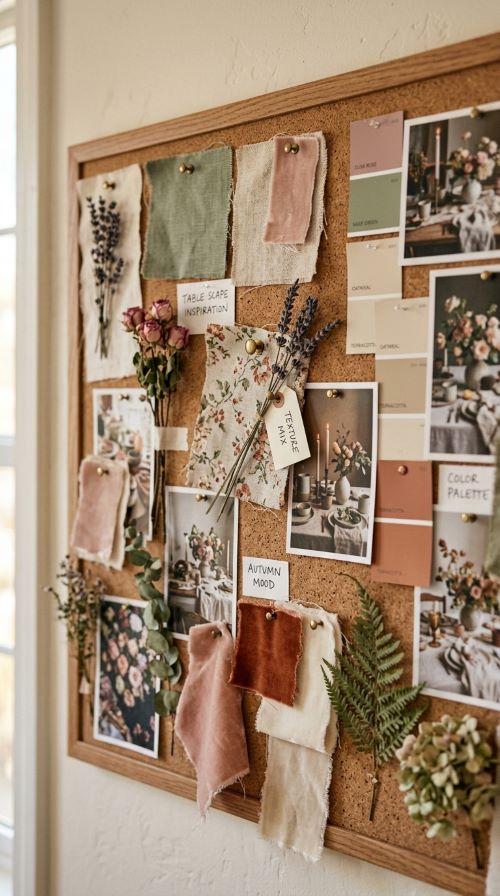
You shouldn’t be the one answering vendor questions on your wedding day. A day-of coordinator handles the small fires so you don’t have to. This role costs far less than a full wedding planner, since they’re only managing the final stretch, not the whole process. Ask your venue if they include one, some do at no extra cost. If not, look for a freelance coordinator who charges a flat day-rate instead of a full planning package. Give them your timeline, vendor contacts, and a list of go-to decisions in advance, like where the cake table goes or who walks the aisle first. On the day, they’ll handle setup issues, vendor arrivals, and timing so your family can just be guests instead of workers. Even a trusted friend can step into this role if budget is tight, as long as they’re organized and not part of the wedding party. The goal is simple: one calm point person who isn’t you, so you can actually enjoy the day.
Design a Mood Board for Your Theme
A mood board keeps every vendor working toward the same look. Pull five or six images that capture your colors, textures, and overall feeling, not fifty scattered pins. Free tools like Canva or a simple printed collage work just as well as paid apps. Share this board with your florist, baker, and stationery designer so everyone’s aligned without long explanations. Keep it simple: one dominant color, one accent color, and one texture theme like wood, linen, or greenery. This makes decisions faster later, since you can hold any new idea up against the board and ask if it fits. A tight, focused board also stops you from overspending on mismatched decor that looks good alone but clashes together. Print a small copy to carry to vendor meetings so you’re never explaining your vision from memory. A clear visual reference turns vague ideas like “romantic” or “modern” into something a vendor can actually act on.
Book Vendors in the Right Order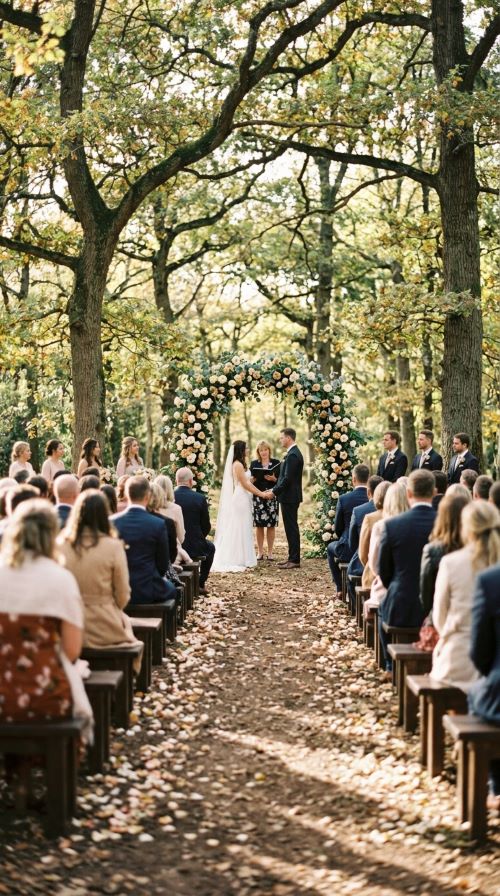
Booking vendors out of order wastes time and money. Start with the ones that get booked up fastest: venue, photographer, and caterer. These have limited weekend availability and often need six to twelve months lead time. Florists, bakers, and hair stylists can usually wait until three to six months out. Musicians or DJs fall somewhere in the middle, so book them once your venue and timeline are locked. Always get quotes from at least three vendors in each category before deciding, prices vary more than people expect. Read contracts closely for cancellation policies and overtime fees before signing anything. Ask each vendor for referrals to others, since photographers and planners often know reliable, affordable options in the same area. Booking in the right order also protects your budget, since early categories tend to cost more, leaving room to adjust smaller categories later if money gets tight. A little sequencing goes a long way toward a stress-free vendor lineup.
Plan Your Ceremony Flow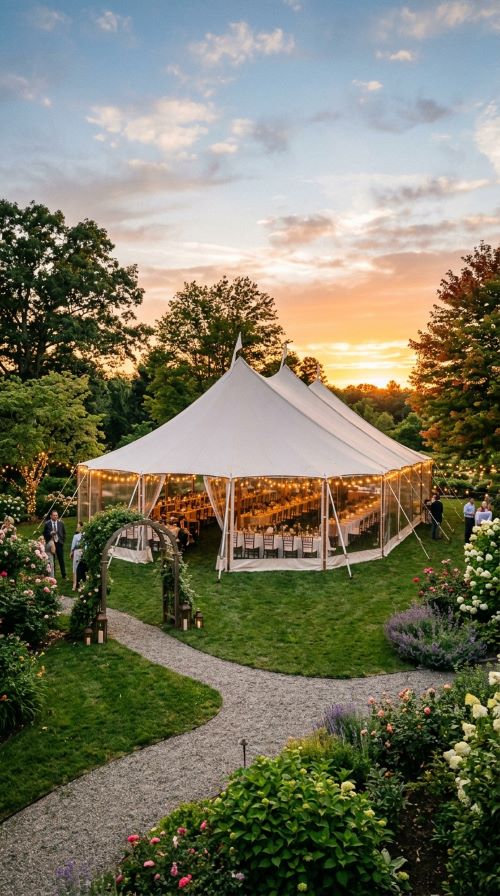
A smooth ceremony doesn’t happen by accident. Write out every moment from processional to recessional, minute by minute. Decide who walks first, where they stand, and how long readings or vows will take. Share this outline with your officiant, musicians, and photographer so everyone knows their cues. Rehearse it once, even informally, so the wedding party isn’t guessing on the day. Keep the ceremony itself short if you’re working with a tight budget, since shorter ceremonies mean less rental time for chairs and audio equipment. If you’re writing your own vows, practice reading them out loud beforehand so timing feels natural, not rushed. Assign a family member to cue the processional music instead of relying on guesswork. A clear flow also helps your photographer know when to move for the best shots, like the first kiss or ring exchange. Planning this out removes the guesswork that usually causes awkward pauses or mixed-up entrances during the ceremony itself.
Create a Backup Plan for Weather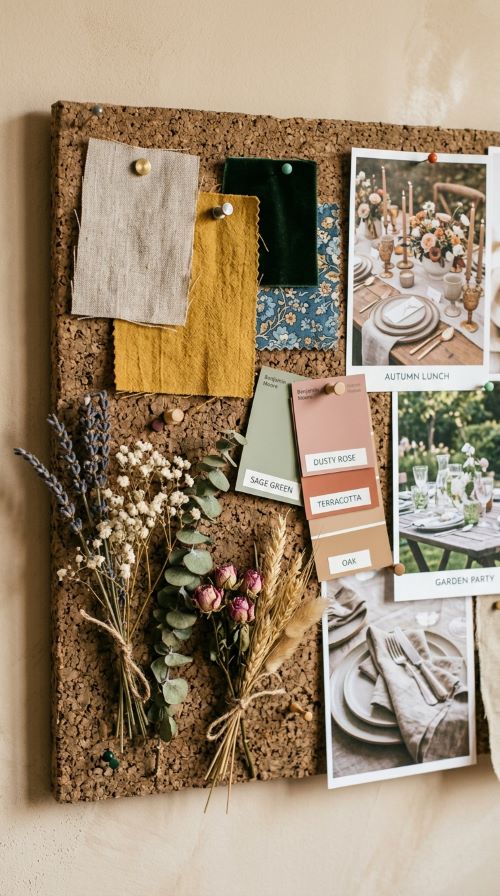
Outdoor weddings need a real weather plan, not just hope. Ask your venue about tent rental options early, since availability shrinks close to your date. A simple clear-top tent can turn a rainy afternoon into a cozy, still-beautiful setting. Keep a stack of inexpensive clear umbrellas on hand for guests walking between locations. If your ceremony is outside, pick an indoor backup spot at the same venue so guests don’t have to travel. Check the weather forecast seriously about a week out, not just the night before, so you have time to adjust seating or timing. Budget a small line item for tent or heater rentals even if you never end up using it, since last-minute bookings cost more. Talk to your photographer about backup shot locations too, like a covered porch or indoor lobby with good light. A solid weather plan means one less thing to worry about on the morning of your wedding, rain or shine.
DIY Your Centerpieces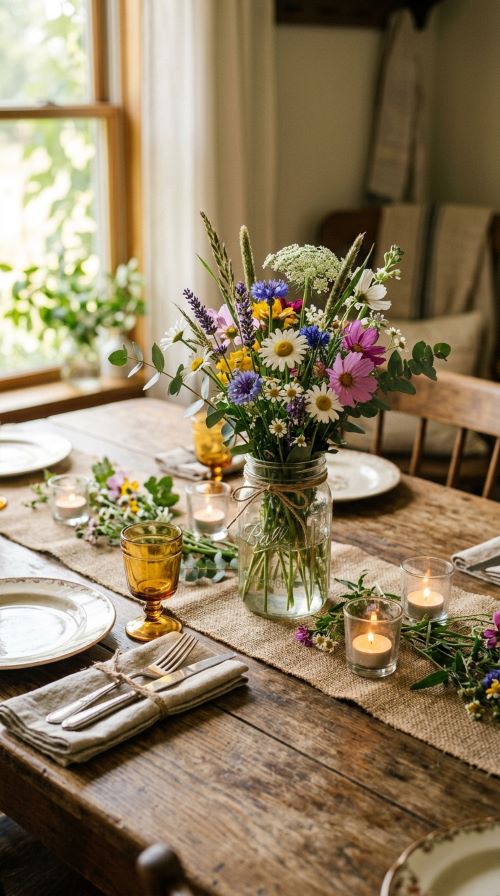
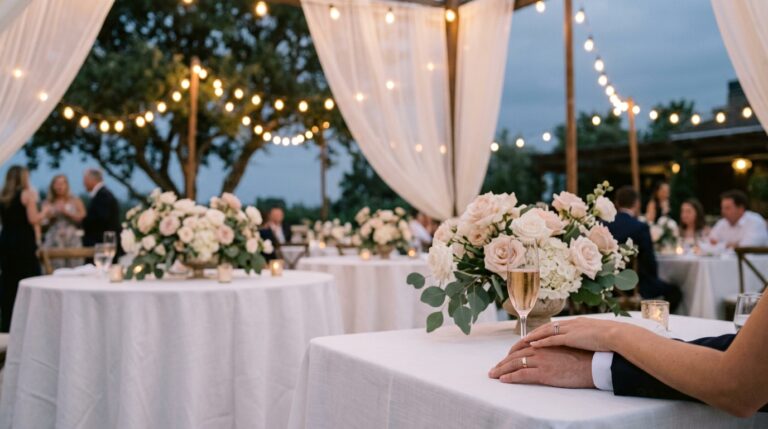
Centerpieces add up fast when ordered through a florist, but they’re one of the easiest things to DIY. Buy flowers in bulk from a wholesale florist or farmers market a day or two before the wedding. Simple mason jars, thrifted vases, or wooden crates make affordable containers that still look intentional. Mix in greenery like eucalyptus to stretch fewer blooms across more tables. Battery-operated candles are safer and cheaper than real ones for long receptions. Ask friends or family who enjoy crafting to help assemble arrangements the morning of, turning it into a fun pre-wedding activity instead of a stressful task. Repeat a few simple elements, like the same jar and flower type, across every table for a cohesive look without needing a big variety. Store flowers in a cool space until a few hours before the event so they stay fresh. A DIY centerpiece table can look just as polished as a florist’s setup, often for a fraction of the price.
Address Invitations Yourself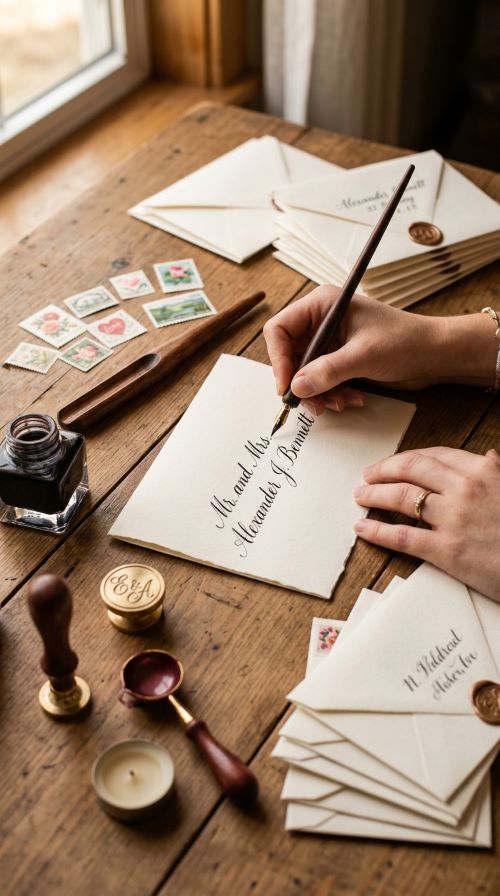
Calligraphy services can cost a lot for something you can do yourself with practice. Buy a simple calligraphy pen set and practice on scrap paper for an hour before starting the real envelopes. Print guest names and addresses lightly in pencil first, then trace over them in ink for cleaner lines. If handwriting isn’t your thing, a printable font from a free design site can be run through your home printer instead. Batch the task over a few evenings rather than trying to finish two hundred envelopes in one sitting. Ask a detail-oriented friend to help, since a second set of hands speeds things up and catches typos. Buy stamps in a design that matches your color palette for a small, affordable style upgrade. Package finished invitations flat, not folded, so they mail cleanly. This is one task that costs almost nothing but adds a personal touch guests notice the moment they open the mailbox.
Plan a Rehearsal Dinner That’s Simple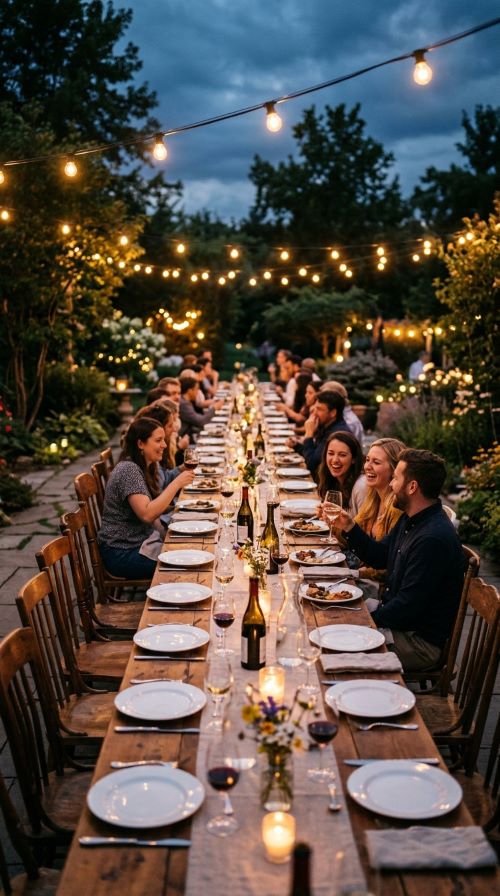
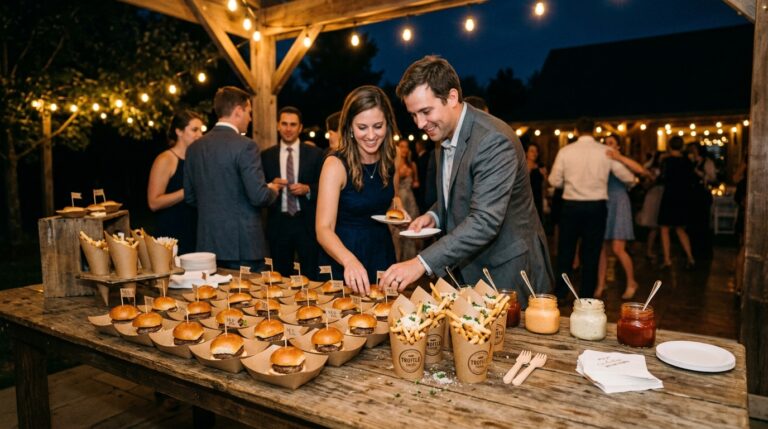
Rehearsal dinners don’t need to be a second wedding. Keep the guest list small: wedding party, immediate family, and out-of-town guests staying nearby. A backyard barbecue or a favorite local restaurant’s private room works just as well as a formal banquet hall. Order family-style platters instead of individual plated meals to cut catering costs. Ask a close family member to host it at home if space allows, saving on venue fees entirely. Keep decor minimal, since this dinner is about connection, not decoration. A few string lights and simple centerpieces are plenty. Skip printed menus and use a chalkboard sign instead, it’s reusable and free. If speeches are part of your tradition, keep the list short and let people know in advance so the evening doesn’t run too late. A simple, relaxed rehearsal dinner also takes pressure off the night before your wedding, letting everyone get proper rest instead of a second long event to manage.
Conclusion
A wedding day comes together through dozens of small, thoughtful choices, not one big perfect plan. Every idea on this list, from a simple budget spreadsheet to a final venue walkthrough, works together to reduce stress and stretch your money further. Start with the pieces that affect the most decisions first, like your guest list, budget, and venue, then work your way down to smaller details like thank-you cards and emergency kits. None of these ideas require a big spend or a professional planner to pull off. They just require a little organization and a willingness to start early. Pick three or four ideas from this list to tackle this week, and let the rest fall into place over time. Your wedding day will feel calmer, more personal, and more affordable when the groundwork is laid well before the big day arrives.