17 Budget Wedding Hacks You Can DIY for a Dream Wedding on a Dime
Getting married doesn’t have to drain your savings account. Most couples overspend on details their guests never notice, while the moments that truly matter — the laughter, the food, the dancing — cost far less than the wedding industry wants you to believe. The truth is, a beautiful wedding is less about budget and more about creativity. With a little planning, some elbow grease, and a willingness to skip the overpriced vendors, you can have a day that looks like it cost three times what you actually spent. These 17 budget wedding hacks are practical, real, and genuinely doable — whether you’re working with $5,000 or $15,000.
Choose a Non-Peak Wedding Date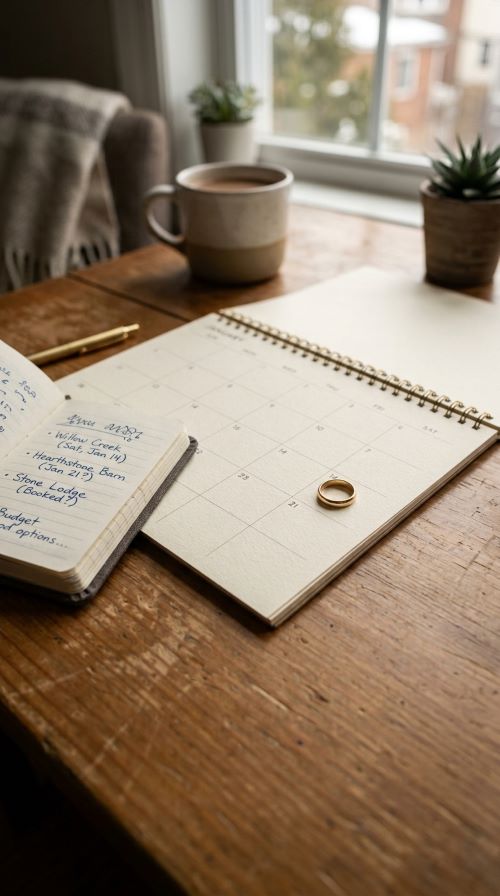
The date you pick has a direct impact on your total bill. Saturdays in June, September, and October are the most expensive days to get married — venues know demand is high, so prices go up. Booking a Friday evening or Sunday afternoon can cut your venue cost by 20–40%. Winter months like January and February are even cheaper, and some venues offer deep discounts just to fill their calendar. You don’t lose anything meaningful by shifting the day. Your guests will still show up. The flowers will still be beautiful. The only thing that changes is how much you pay. If a Friday evening feels risky for guest attendance, remind yourself that people will rearrange their schedules for someone they love. Pair a non-peak date with a morning or brunch wedding and you’ll save even more — catering costs drop significantly when the meal is lighter. A champagne brunch with pastries and a beautiful cake is just as celebratory as a full plated dinner, and it photographs gorgeously in morning light. Think of the date as your first and biggest money-saving decision.
Skip the Traditional Venue and Go Outdoor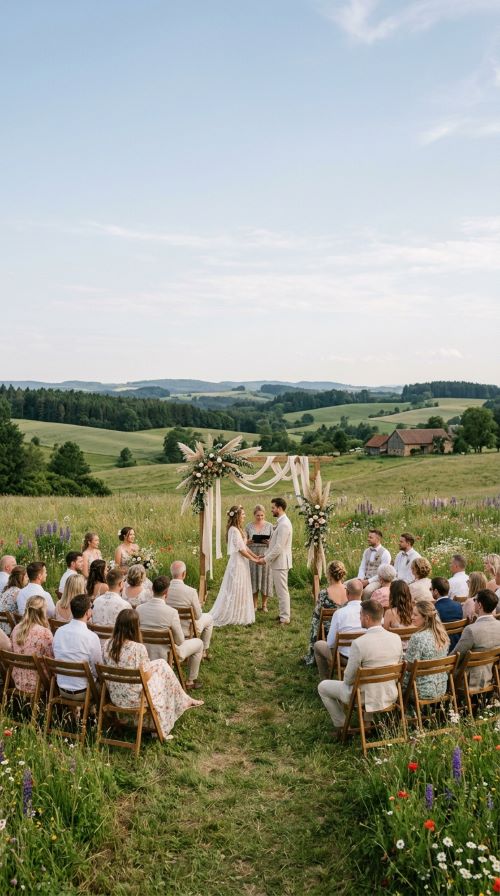
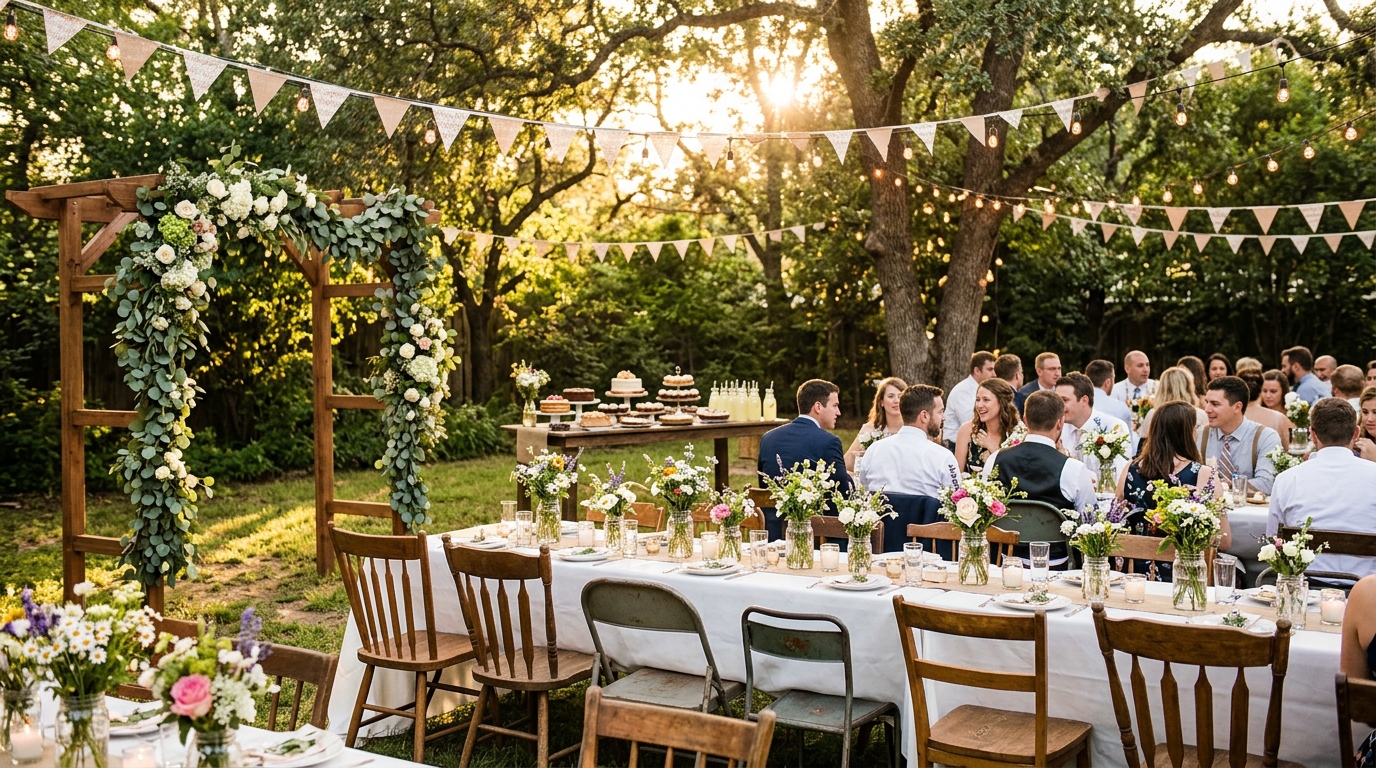
Wedding venues with built-in packages are one of the biggest budget traps. You pay for their overhead, their preferred vendors, and their markup on everything from the chairs to the cake cutting fee. A public park, a family backyard, a local farm, or a botanical garden rental can cost a fraction of a traditional venue. Many parks only require a permit, which can be as low as $50–$200. A friend or family member’s property with a big yard is even better — it’s often free, deeply personal, and gives you full control over every vendor. Outdoor venues naturally reduce your need for heavy décor because the setting does the work for you. Trees, open sky, and natural light are their own decoration. You’ll want to have a backup plan for rain — a tent rental or a flexible rain date in your contract — but that’s a small cost compared to what you save. Check your local parks department website for permit requirements. Some botanical gardens offer discounted weekday rentals that are absolutely stunning at a reasonable price. The key is to look beyond the venues that have wedding packages advertised, because the ones that don’t advertise often cost the least.
DIY Your Centerpieces With Grocery Store Flowers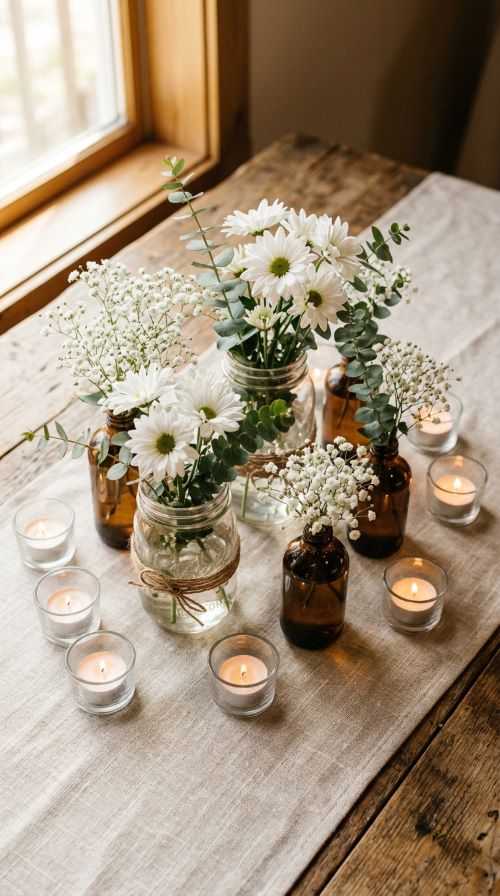
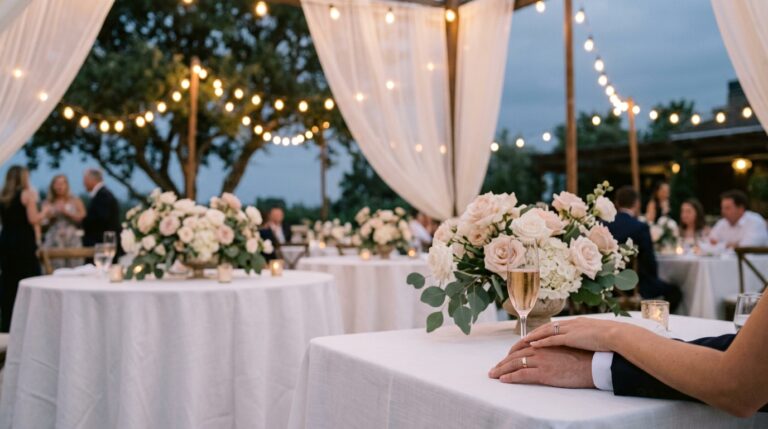
Florists charge for design time, refrigeration, delivery, and expertise. When you buy your own flowers and arrange them yourself, you pay only for the blooms. Grocery stores like Trader Joe’s, Costco, and local wholesale markets sell fresh flowers at a fraction of floral shop prices. A bunch of eucalyptus, baby’s breath, white daisies, and greenery from a grocery store can fill a dozen mason jars beautifully for under $100 total. The trick is to pick flowers with a long vase life and order or buy them two days before the wedding. Keep them in water in a cool room. Enlist a few bridesmaids or family members to help arrange them the night before — make it a party with wine and music. Simple arrangements in clear glass vessels or small bud vases look elegant and intentional without being fussy. Avoid roses if you’re on a budget — they’re expensive per stem and wilt fast. Instead, lean into wildflower aesthetics: mismatched greenery, dried pampas grass, and a few statement blooms go a long way. The imperfect, gathered look is genuinely trendy right now and costs almost nothing to achieve.
Make Your Own Wedding Invitations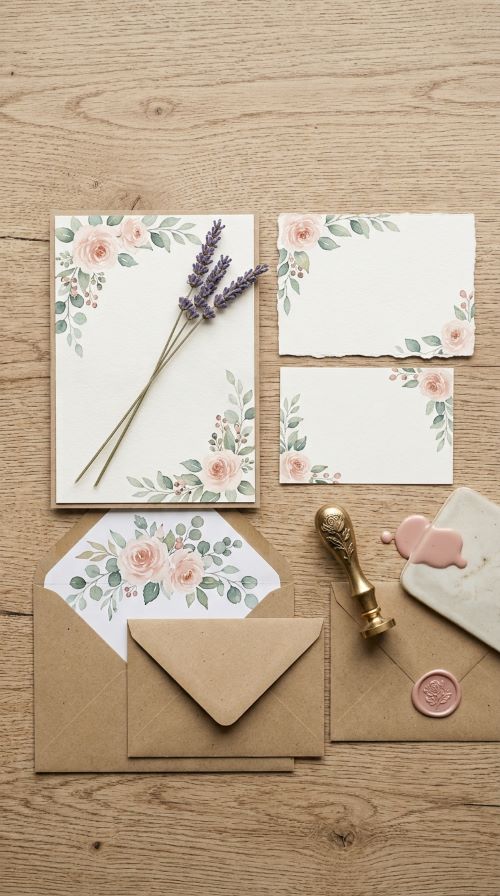
Printed wedding stationery from a professional designer can easily run $400–$800 for a full suite. That’s a significant spend on something guests look at once and often throw away. Free design tools like Canva have hundreds of wedding invitation templates you can customize in an hour. Print them at home on cardstock from a craft store, or upload your design to a print-on-demand site like Canva Print, Minted, or Vistaprint for affordable bulk printing. For a more tactile, handmade feel, kraft paper envelopes and a simple wax seal stamp add a premium touch that costs under $30 for the supplies. If you want to skip printing altogether, digital invitations via Paperless Post or Zola are free or very low cost and include RSVP tracking built in. Going digital also eliminates postage costs, which add up fast when you’re mailing 80–150 invitations. For guests who prefer paper, print a small batch for older family members and send digital to everyone else. Put the money you save into something guests will actually experience, like better food or a longer bar tab.
Borrow, Rent, or Thrift Your Wedding Décor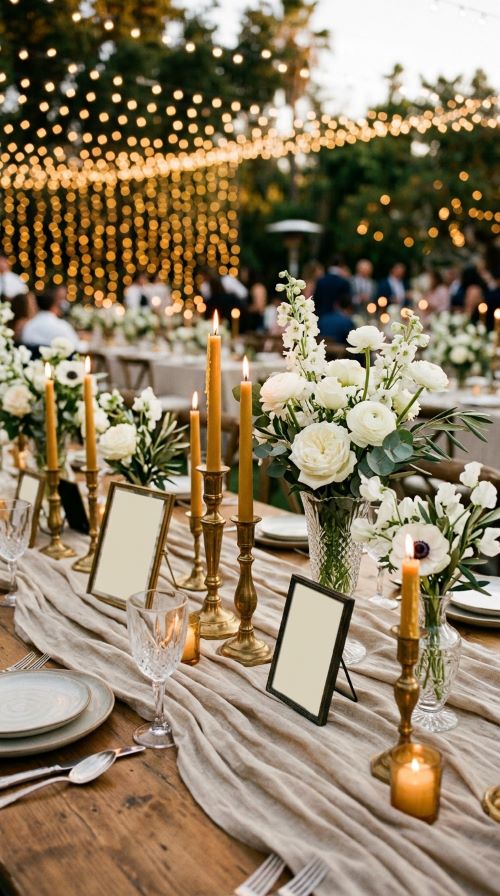
You don’t need to buy everything new. In fact, some of the most beautiful wedding tablescapes are built entirely from secondhand and borrowed pieces. Facebook Marketplace, eBay, and local thrift stores are full of candlesticks, vases, frames, lanterns, and linens at rock-bottom prices. Buy what you need, use it for the wedding, and resell it afterward — often for close to what you paid. Wedding buy-sell-trade Facebook groups are specifically designed for this and move fast. Another smart move is to borrow from family. Mismatched vintage candlesticks from your grandmother’s china cabinet look intentionally curated on a reception table. Ask around — you’ll be surprised what people have stored in their attics. For bigger items like chairs, tables, or arches, renting from a local party rental company is almost always cheaper than buying new. Stick to one or two cohesive colors and let the variety of shapes and textures create visual interest. The eclectic, collected-over-time look requires no matching whatsoever, which is both easier and cheaper to pull off than a perfectly coordinated traditional setup.
Cut the Guest List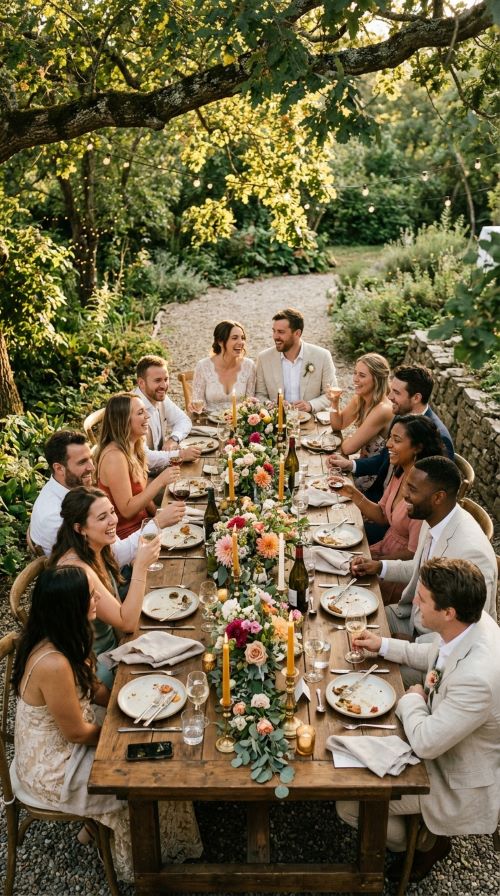
The single most powerful thing you can do to lower your wedding budget is invite fewer people. Every person at your wedding costs money — in food, drink, seating, invitations, and favors. Cutting your guest list from 120 to 60 can literally cut your catering bill in half. That’s often the difference between a budget wedding and a dream wedding. Think carefully about who you actually want present at one of the most personal days of your life. Work acquaintances, distant cousins you haven’t seen in a decade, and your parents’ friends who are invited out of obligation — these are the guests eating your budget. A smaller guest list also means a smaller venue, which opens up beautiful options you couldn’t afford with a crowd. Think private dining rooms at restaurants, garden spaces, rooftops, and charming historical buildings that cap at 40–60 guests. Micro-weddings have become genuinely popular — not just for budget reasons but because they feel more real. When you’re surrounded by only the people who matter most, the day feels more intentional and intimate. That’s not a compromise. That’s actually better.
DIY Your Wedding Cake (or Skip It Altogether)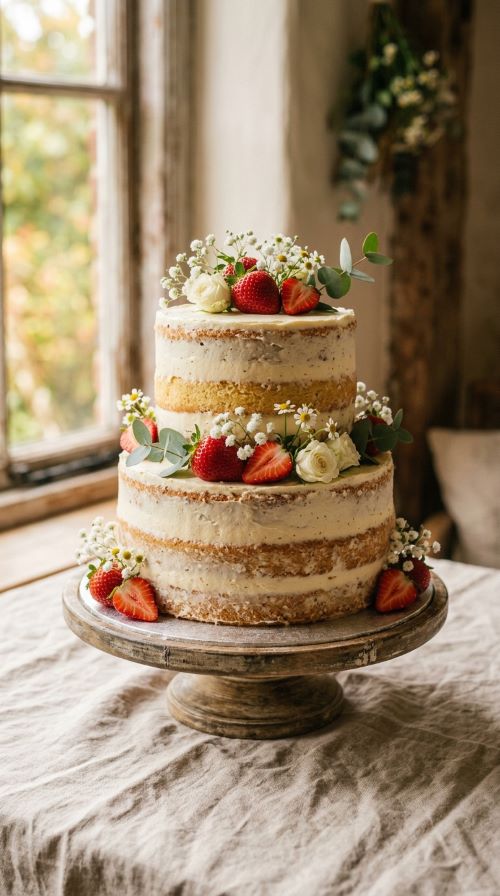
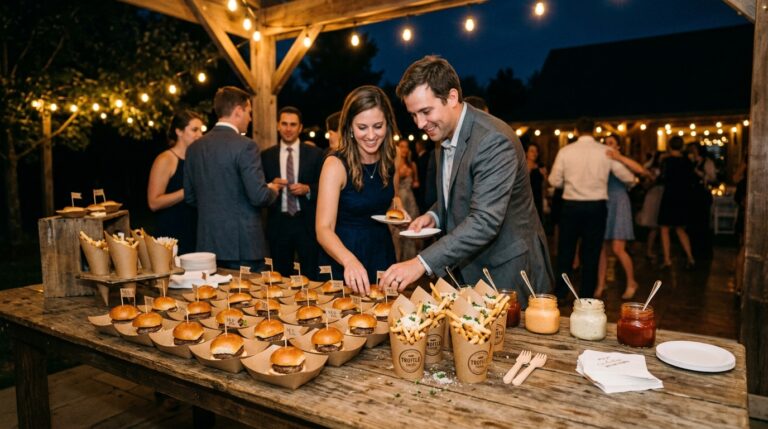
Professional wedding cakes are priced by the slice and decorated by hand, which means even a modest cake can cost $400–$800. If someone in your family bakes, this is their moment to shine. A homemade two-tier naked cake with fresh fruit and flowers costs under $50 in ingredients and looks stunning in photos. If baking isn’t an option, consider ordering a small decorative cake just for the cutting ceremony and serving sheet cakes from a grocery store bakery to guests. Grocery store sheet cakes run $20–$40 each and taste just as good as a custom cake — guests genuinely don’t notice the difference when they’re eating dessert and dancing. Another popular option is a dessert table instead of a traditional cake: brownies, cookies, mini pies, and cupcakes made by family members create a beautiful spread at almost no cost. Label each item with a small hand-written card and add some simple floral touches between the dishes. It photographs wonderfully and gives guests more variety. The dessert table approach is also easier to manage logistics-wise — no cake cutting fees, no delivery, and no risk of a tiered cake toppling in summer heat.
Hire a Photography Student or Associate Photographer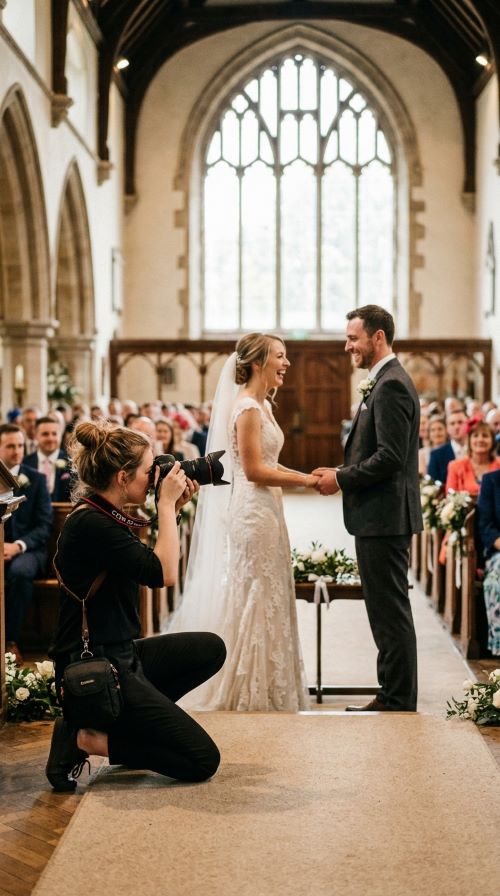
Photography is one area where couples often overspend out of fear. Established wedding photographers charge $2,500–$6,000 or more. But photography students from local art schools and junior associate photographers charge $500–$1,500 and often produce work that’s just as beautiful. Ask to see a full wedding gallery — not just their highlight reel — to make sure they can carry a whole day. Many photography schools have job boards or will connect you with talented seniors looking to build their portfolio. Another route is hiring a professional for just four hours to cover the ceremony and portraits, skipping the full day coverage. The getting-ready photos and late-night dance floor shots are nice to have but not essential. Another smart hack: ask a tech-savvy friend or family member to manage a Google Photo album where all guests can upload their own candid shots. Real, unposed moments from multiple perspectives often become your most treasured memories. Combine a shorter professional shoot with a guest photo contribution system and you’ll have hundreds of images at a fraction of the cost.
Make Your Own Wedding Favors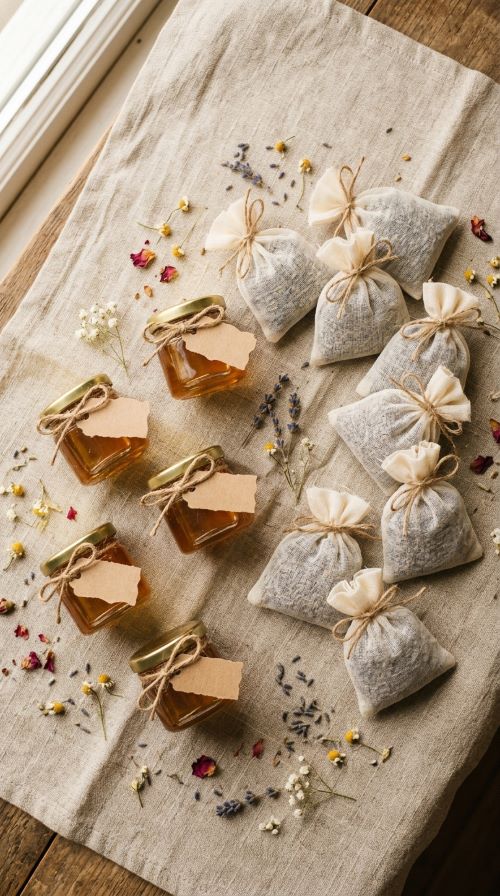
Store-bought wedding favors are almost always a waste of money. Guests leave them on the table, forget them in their bags, or throw them away later. If you’re going to do favors, make them edible and personal — those are the ones people actually take and remember. Homemade honey jars, small bags of homemade granola, seed packets, or mini jam jars cost under $1–$2 per guest and take an afternoon to assemble. Buy supplies in bulk from a craft store or online, and recruit a few friends for a favor-making session a week before the wedding. If homemade feels too ambitious, skip favors entirely. It’s a completely acceptable choice and more couples are doing it. Instead, make a donation to a cause you care about and place a small card at each seat explaining it. That gesture is more memorable than a keychain or a mini photo frame. If you do want something tangible, a small packet of wildflower seeds with a handwritten note costs almost nothing and leaves guests with something living. The sentiment matters far more than the price tag.
Use String Lights Instead of Floral Installations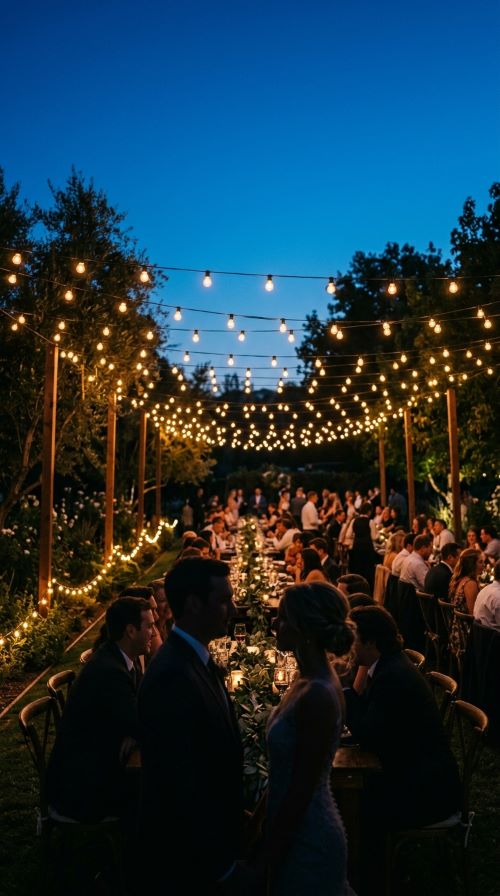
Large floral installations — flower walls, ceiling installations, elaborate arches covered in blooms — are gorgeous in photos and absolutely ruinous to a budget. A single flower wall rental can cost $500–$2,000. String lights achieve a similar visual warmth at a tiny fraction of the cost. A canopy of Edison bulb string lights transforms any outdoor or indoor space into something genuinely magical. You can buy a set of 50-foot string lights for $15–$25 online. Buy 10–15 sets, drape them between poles or trees, and the effect is stunning — especially at dusk or in the evening. For your ceremony backdrop, skip the flower wall and build a simple wooden arch or copper pipe frame instead. These cost $30–$80 in materials and can be dressed with just a few sprigs of greenery, dried pampas grass, or ribbon for under $20 more. The combination of string lights and simple greenery is endlessly photogenic and looks better in photos than a heavily styled floral installation that eats your entire décor budget. Light does more visual work per dollar than any other element.
Negotiate Vendor Packages and Pay in Cash
Most wedding vendors build negotiation room into their pricing — they just don’t tell you that. Asking politely for a discount, especially if you’re booking off-peak or paying in full upfront, can save you 10–20% with many vendors. Some florists, caterers, and photographers will drop their price if you simplify the scope: fewer hours, fewer flowers, a plainer menu. Always ask what can be removed from a package to lower the price. Never assume the quoted price is fixed. Paying in cash — or by check — also removes the credit card processing fee, which vendors sometimes pass on to clients as a surcharge of 2–3%. On a $3,000 catering bill, that’s $60–$90 back in your pocket just for writing a check. Bundle vendors when possible: some photographers have DJ connections, some caterers handle rentals, and some venues have in-house florals. Booking through one vendor for multiple services often comes with a built-in discount. Always get competing quotes from at least two vendors in every category. Even if you prefer the first one, having a lower competing quote gives you real negotiating leverage to bring the price down.
Create a Simple DIY Seating Chart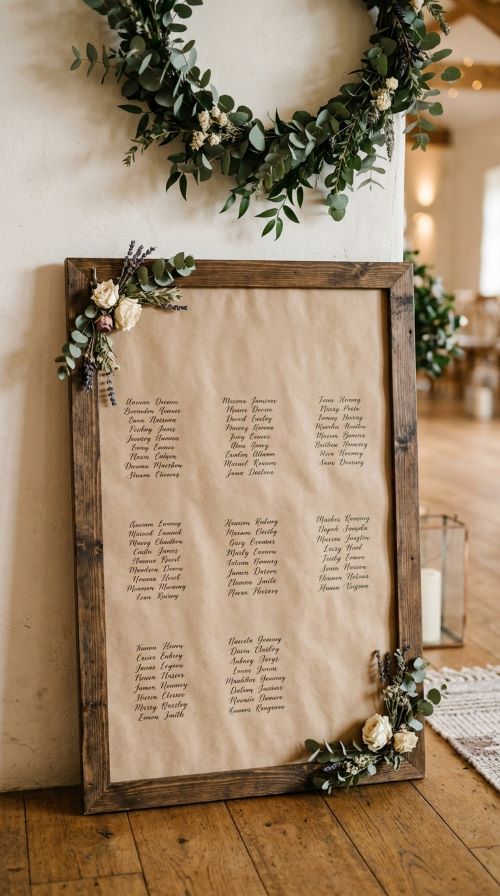
Professional calligraphers charge $200–$600 for seating charts and place cards. You can absolutely skip that. A large piece of kraft paper, a Cricut cutting machine, or even a carefully done hand-lettered piece in a craft-store frame achieves the same effect. If your handwriting isn’t confidence-worthy, download a free calligraphy-style font, print it out in a large format at a local print shop, and mount it yourself. Local print shops can print a large format poster for $10–$25. Frame it in a simple IKEA frame or clip it to a wooden board with small hooks. Another option is the mirror seating chart — buy a plain mirror from a thrift store or IKEA, use a white chalk marker to write table assignments directly on it, and lean it against a wall or easel. This looks expensive in photos and costs under $20 total. If you want individual place cards, print them at home on cardstock, fold them in half, and add a small dried flower or sprig tucked into each one. The total cost is around $5–$10 for the whole wedding.
Serve a Signature Cocktail Instead of a Full Open Bar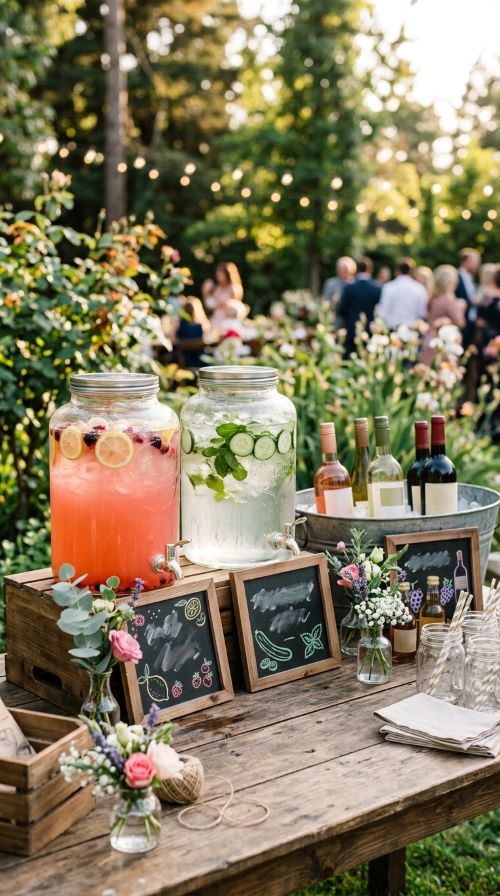
An open bar at a wedding can cost $1,500–$4,000 depending on your guest count and drink selection. There’s a smarter way. Offer two or three options: a signature cocktail named after the couple, beer, wine, and a non-alcoholic alternative — and nothing else. Guests don’t actually expect a full bar, especially when what’s available is well-presented and generous. Buy alcohol wholesale from Costco or a local liquor distributor. Many states allow you to return unopened bottles after the event — check local laws before buying. Set up a self-serve drink station with large glass dispensers, clear labels, and some simple floral decoration. This looks beautiful, requires minimal staffing, and keeps your alcohol costs to $200–$500 for a medium-sized wedding. For the signature cocktail, pick something easy to batch in advance — a sparkling rosé lemonade, a gin and elderflower punch, or a non-alcoholic spritz. Batch cocktails eliminate the need for a full bartender, and a tip jar near the station handles any ambiguity. Name the drink something personal to your relationship and guests will actually talk about it.
DIY Your Hair and Makeup (or Trade Skills With Friends)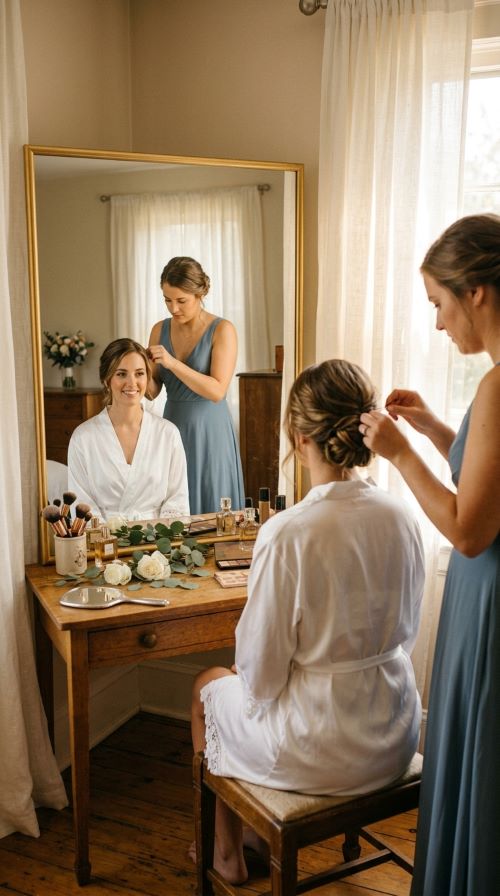
Professional bridal hair and makeup can cost $200–$600 just for the bride, with additional charges for the bridal party. If you have a friend or family member with real makeup or hair skills, this is one of the easiest places to trade instead of pay. Offer to cover their wedding gift with the service, or simply ask them directly — most people are honored to contribute something meaningful. For the bride who prefers professional services, book a hair or makeup trial at a beauty school where student artists practice at steep discounts under professional supervision. Results are often excellent. If you do your own makeup, invest in a few quality products specifically for long-wear and photography: a good primer, a setting spray, and a long-wear foundation make an enormous difference in how you look in photos across a full day. YouTube has thousands of bridal makeup tutorials that walk you through exactly what products and techniques professional artists use. For hair, a simple updo with some soft face-framing pieces looks classic and holds all day — it’s also entirely achievable with a few YouTube tutorials and a practice run a week before.
Print Your Own Wedding Programs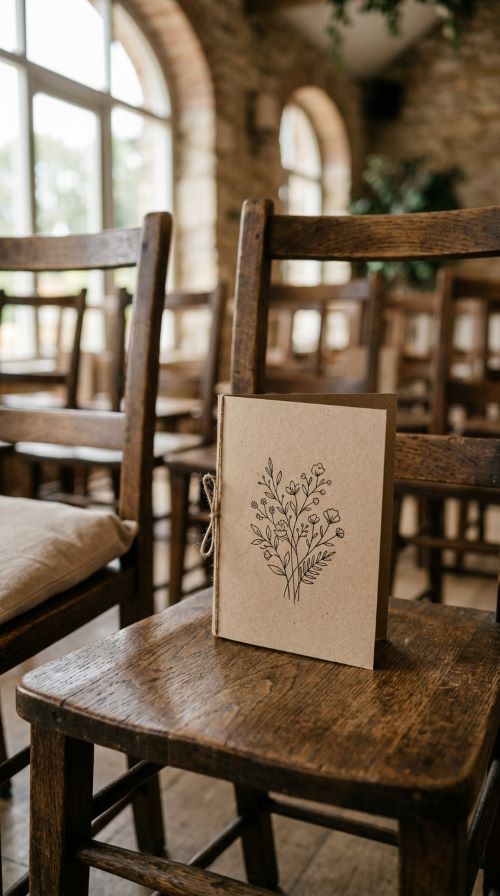
Wedding programs are one of those items that feel mandatory but are actually entirely optional. If you want them, make them yourself. Canva has free wedding program templates you can customize in 20 minutes and print at home or at a copy shop for cents per page. A folded half-sheet printed on cardstock runs about $0.05–$0.10 per copy at most print shops. For 80 guests, that’s under $10. Keep the design simple: names, the ceremony order, a short thank-you note, and maybe a small poem or quote that’s meaningful to you. Avoid trying to print full-bleed color designs at home — they eat ink cartridges and rarely look as good as you want. Instead, go for a clean black-and-white design on cream or natural cardstock. The result looks more considered than a heavily designed color program and costs almost nothing. If you want to skip programs entirely, that’s also a valid call. A simple sign at the entrance of the ceremony space that outlines the order of events works just as well and requires zero printing.
Use a Playlist and Bluetooth Speaker Instead of a DJ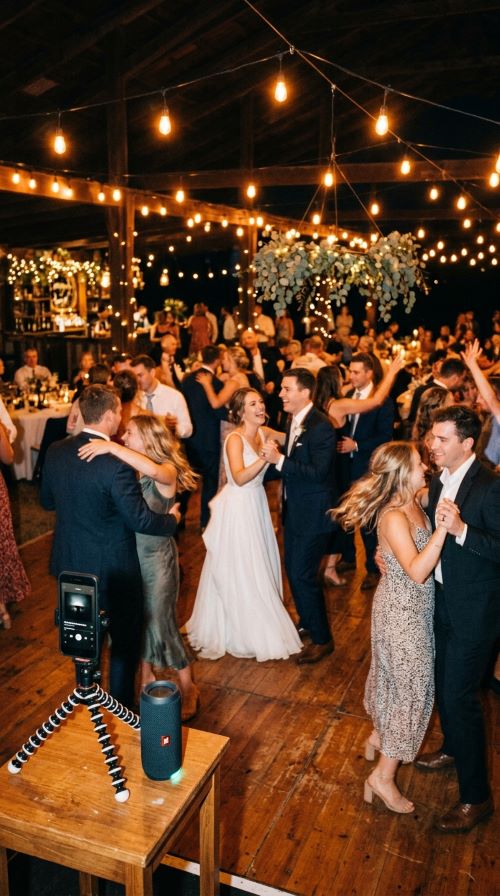
A wedding DJ typically costs $800–$2,000 for a full evening. A carefully built playlist and a good Bluetooth speaker system can deliver the same energy for under $200. Spotify, Apple Music, and Tidal all allow you to create collaborative playlists — ask your wedding party and close friends to add songs, then curate the final list yourself. Split the playlist into sections: cocktail hour, dinner, first dance, parent dances, and open dancing. Set each section as a separate playlist so transitions feel natural. For sound quality in a medium outdoor space, a JBL Eon or Bose S1 Pro portable speaker produces more than enough volume for 50–80 guests. Buy one or rent it for the weekend. Assign a trusted, music-savvy friend to manage the playlist and handle any song requests during the reception. This person doesn’t need DJ skills — they just need to be confident and present. Give them a list of “do not play” songs and let them handle the vibe. The result is more personal than a stranger behind decks playing generic wedding sets, and it costs a fraction of the price.
Repurpose Ceremony Flowers at the Reception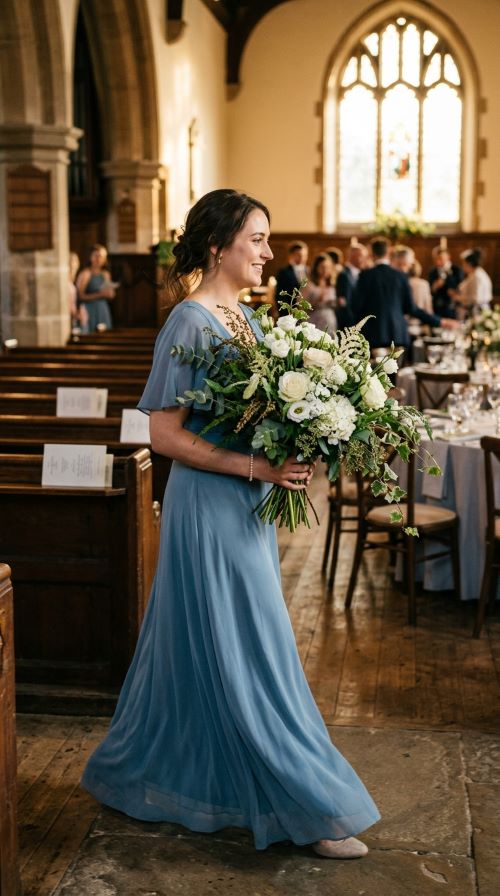
One of the simplest and most overlooked budget hacks is reusing your ceremony flowers at the reception. Ceremony arrangements — pew markers, altar pieces, and aisle flower clusters — are usually just placed and forgotten once the vows are done. Plan your florals so that ceremony pieces can be easily relocated to reception tables during cocktail hour. Brief a bridesmaid or groomsman before the day to manage this transition so it happens without any stress on you. A large arrangement from the altar becomes a statement centerpiece on the head table. Pew markers and aisle clusters become individual table pieces or bar decorations. This approach effectively doubles the life and visual impact of every flower you bought. You’re not buying separate ceremony and reception florals — you’re buying one set that works twice. This alone can cut your floral budget by 30–50%. Communicate this plan clearly with your florist if you’re using one, or factor it into your own DIY flower arrangement strategy from the start. Design your ceremony florals with this repurposing in mind: arrangements in standalone vases or buckets are easiest to move, while ones wired to fixed structures are harder to relocate.
Conclusion
A dream wedding doesn’t require a dream-sized bank account. Every one of these hacks proves that the most memorable details — the flowers on the table, the music filling the room, the desserts people reach for twice — are the ones made with care, not the ones with the biggest price tags. Start with the decisions that have the biggest financial impact: your guest list, your date, and your venue. Once those are locked, every other budget decision gets easier. DIY what you enjoy, delegate what you don’t, and borrow what you only need for one day. You’ll spend less, stress less, and end up with a wedding that actually looks and feels like you — which is what everyone who loves you came to celebrate in the first place.