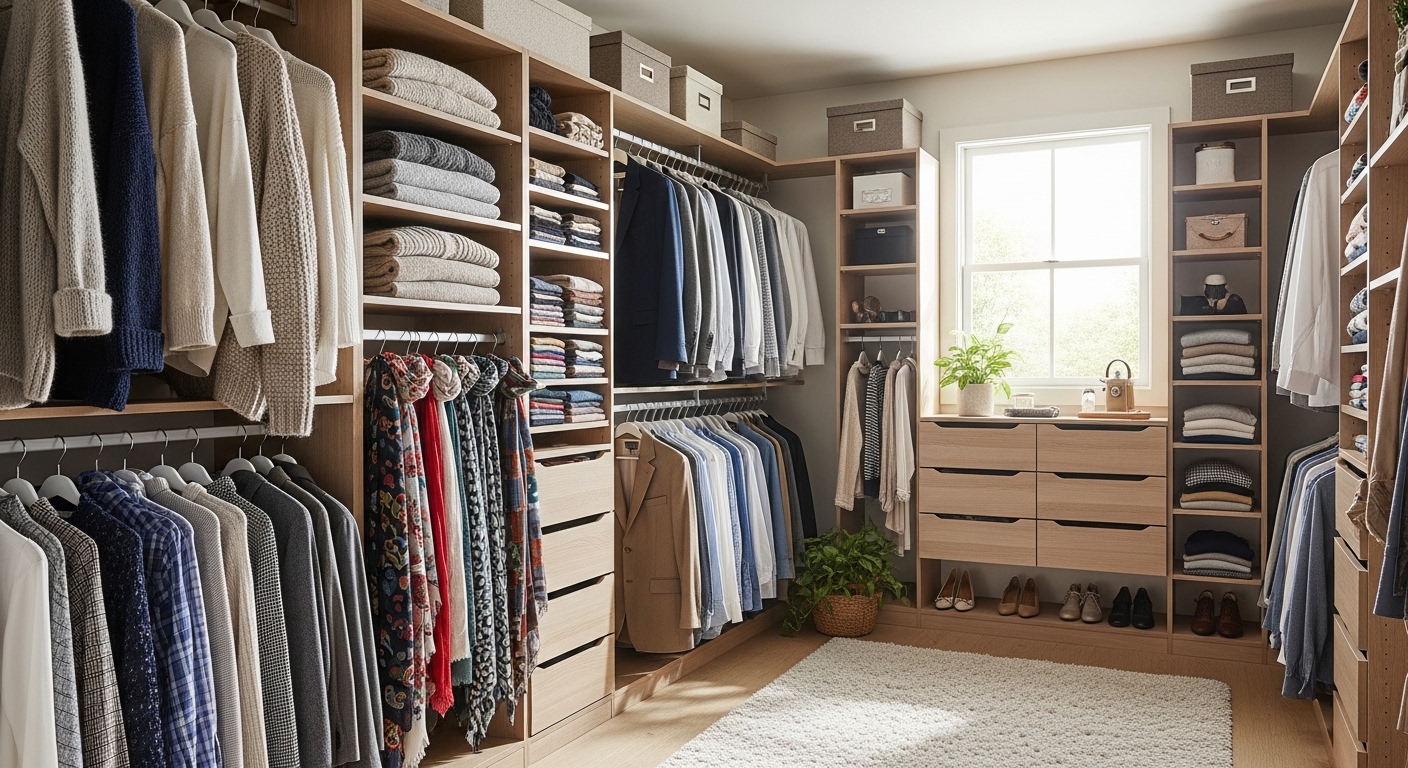
How to Master Layering Basics for Year-Round Style
Layering isn’t just for cold weather—done right, it’s a style hack that works all year round. Whether you’re dodging a chilly spring breeze, staying cozy in winter, or adding texture in summer evenings, mastering layering can elevate any outfit from simple to stunning.
Here’s your guide to layering basics that’ll make you look effortlessly put together, no matter the season.
Start with a Solid Base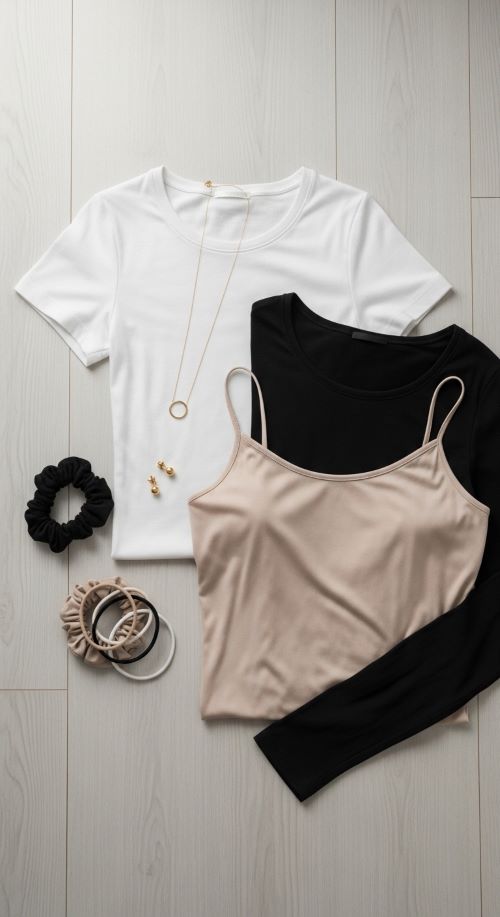
Your base layer is your outfit’s foundation. Think of it as the canvas that sets the tone for everything else. Choose lightweight fabrics for year-round versatility, like cotton, silk, or thin knits. Keep your base layer fitted—this makes it easy to add pieces without bulk. Neutral tones are your friend, from whites to blacks to earthy shades, giving you freedom with outer layers.
Pro tip: In warmer months, try a sleeveless top or light tee, and in cooler months, a long-sleeve fitted top adds warmth without feeling bulky.
Add a Middle Layer for Texture and Dimension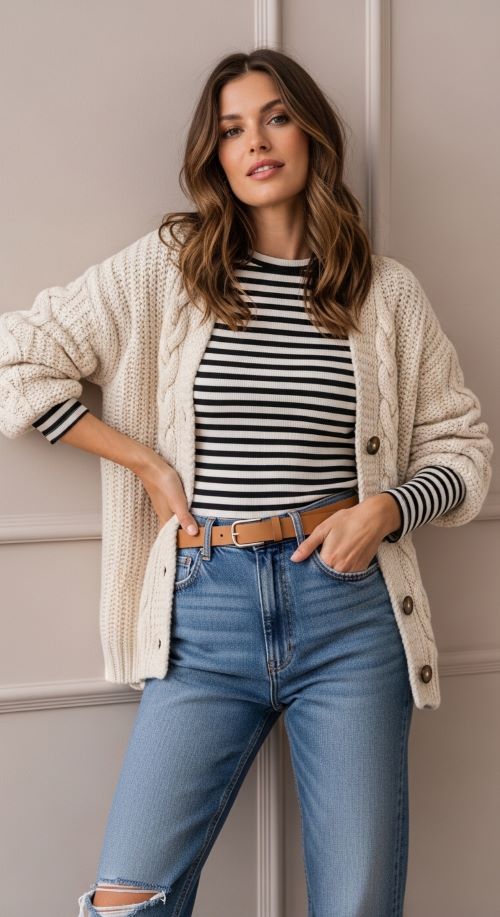
The middle layer is where style and function meet. This is your chance to bring in color, texture, or pattern. Sweaters and cardigans are classic choices that work for almost any season. Depending on your silhouette, you can choose cropped or oversized styles. Lightweight jackets or vests can add structure without overheating, while patterns and textures like stripes, cable knits, or subtle prints make outfits visually interesting.
Layering tip: Keep your middle layer slightly looser than your base to prevent bunching and maintain a sleek line.
Top It Off with an Outer Layer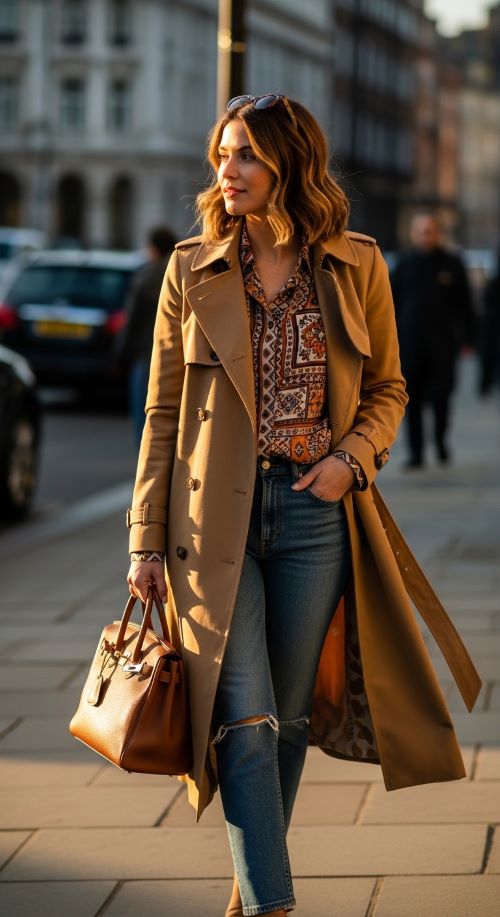
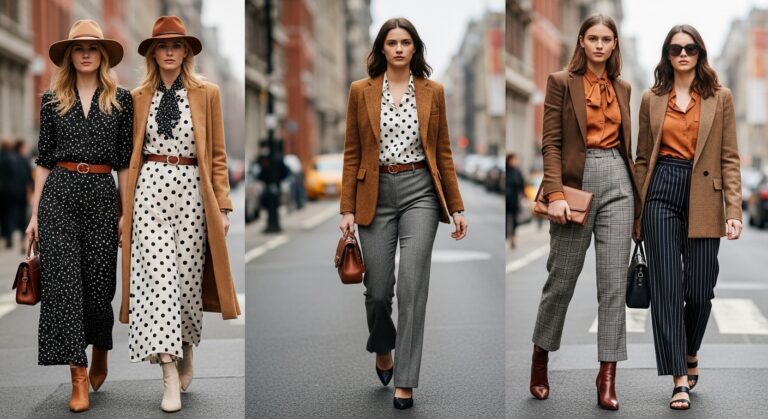
The outer layer is the finishing touch—it’s what people notice first. This could be anything from a tailored blazer to a flowing trench coat. Balance proportions: if your inner layers are bulky, go for a more structured outer layer. For fitted layers underneath, an oversized coat adds effortless style. Consider the season: lightweight jackets work for spring and fall, waterproof layers for rainy days, and insulated coats for winter. Outer layers are also perfect for a statement piece, like a bold red coat or patterned blazer.
Layering tip: Don’t forget accessories! Scarves, belts, and hats can act as mini layers and tie your look together.
Experiment with Proportions and Lengths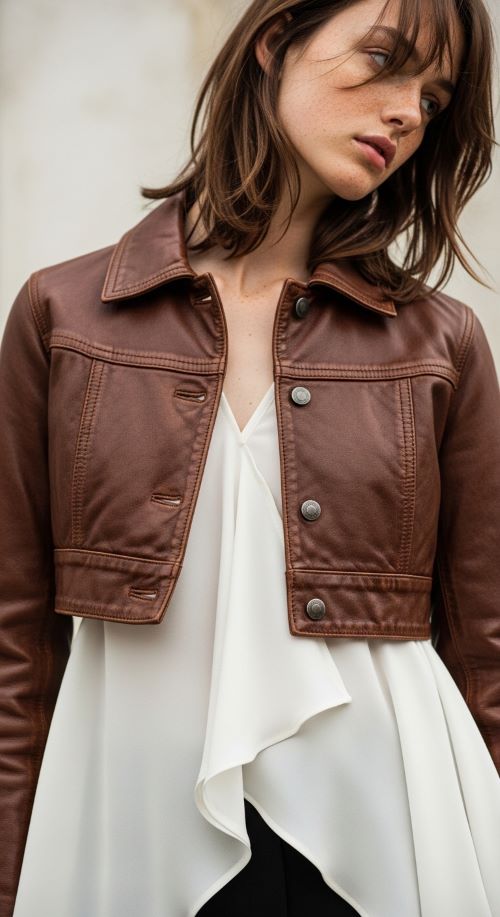
One of the secrets to expert layering is playing with different lengths and proportions. Layer long over short for a look that feels intentional, like a long cardigan over a cropped top. Mixing fitted and oversized pieces, such as a fitted turtleneck with an oversized blazer, creates contrast and visual interest. Don’t forget asymmetry: uneven hemlines or draped jackets add movement and dimension.
Tip: Use mirrors to check how layers fall on your body. The goal is a cohesive, effortless look, not a pile of fabric.
Accessories as Mini Layers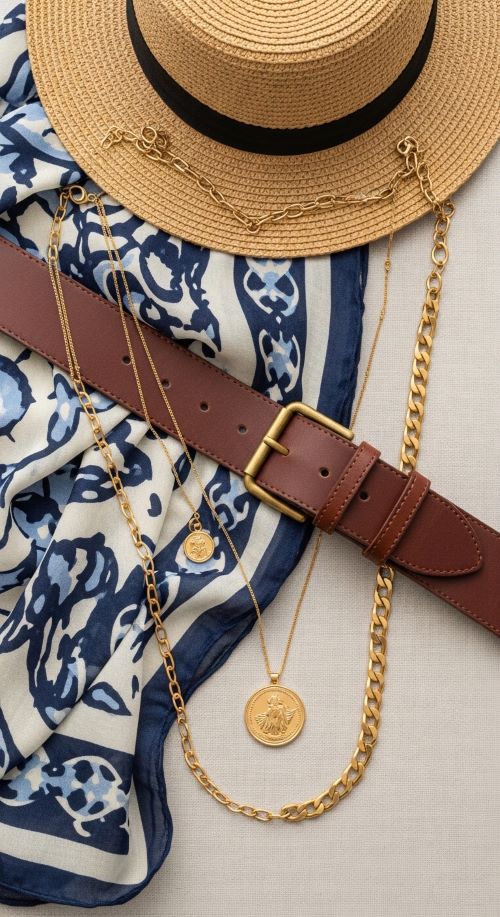
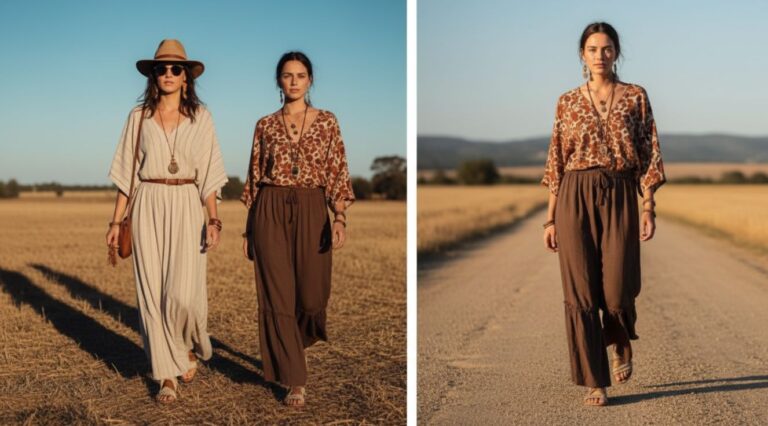
Accessories aren’t just extras they can function as small layers that bring the outfit together. Scarves and shawls work year-round, lightweight in summer and chunky in winter. Belts add structure to oversized layers, and hats or jewelry can visually separate layers and create depth. Matching your accessory colors to one of your layers unifies the look without overthinking it.
Final Words
Layering is both an art and a practical tool. By starting with a solid base, adding texture with middle layers, finishing with a statement outer layer, and experimenting with proportions and accessories, you can create outfits that look polished and intentional—anytime, anywhere.
Try building one layered outfit this week using these tips—you’ll be surprised at how transformative a little layering can be.