
Planning a wedding is exciting, but keeping track of every detail can become stressful without a clear system. From managing expenses to organizing vendors, a simple wedding planner can help you stay prepared and enjoy the process. The right planning ideas make it easier to handle appointments, timelines, decorations, and guest arrangements without feeling overwhelmed. Whether you are planning an intimate celebration or a large wedding event, these practical wedding planner ideas will help you stay organized. Many of these tips are affordable, simple to create, and perfect for brides who want a smoother journey toward their special day.
Create a Wedding Vision Board
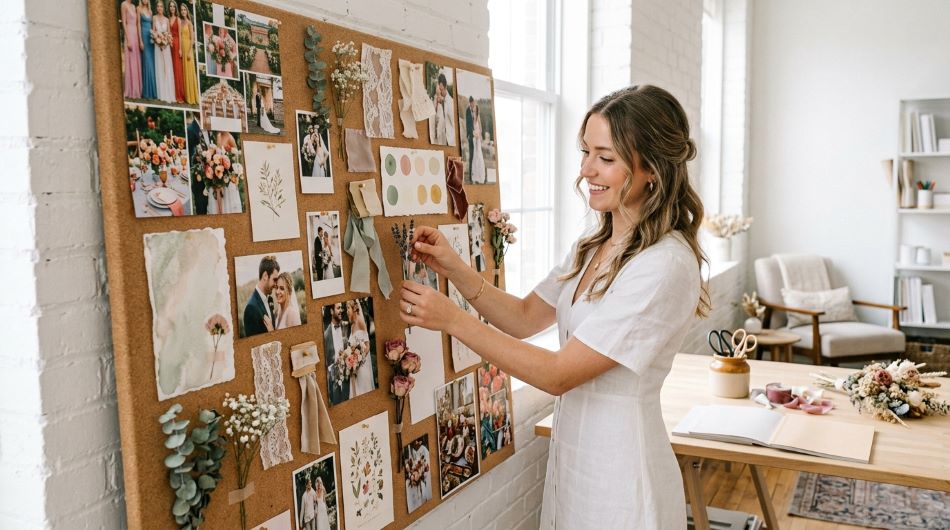
A vision board is a simple way to collect all your wedding inspiration in one place. Instead of saving hundreds of random ideas on your phone, gather your favorite designs, colors, flowers, dresses, and decoration styles together.
You can create a physical board using a corkboard, printed photos, fabric pieces, and magazine cutouts. A digital version also works well through online planning tools.
Choose images that represent the feeling you want for your wedding. Include ideas for table settings, invitations, hairstyles, and ceremony details.
A focused vision board helps you recognize your preferred style before making purchases. It also makes meetings with vendors easier because you can clearly show your ideas.
A DIY vision board costs very little. You can print images at home or reuse old magazines. Keep updating it as your plans develop.
This small planning step creates a clear direction and helps every wedding decision feel more organized.
Build a Realistic Wedding Budget
Creating a wedding budget early helps you understand where your money will go. Start by writing down your total spending limit and divide it into categories.
Common wedding expenses include the venue, food, photography, clothing, flowers, decorations, entertainment, and transportation. Recording every expense helps you understand your spending habits and prevents unexpected costs.
A simple notebook or spreadsheet works perfectly for tracking payments. Write down deposits, final balances, and payment dates.
Look for affordable alternatives when possible. DIY decorations, handmade invitations, and seasonal flowers can reduce costs while keeping your celebration beautiful.
Review your budget regularly and make adjustments when needed. A clear budget helps you make better choices and keeps your wedding plans financially organized.
Organize a Master Wedding Checklist
A master checklist keeps every wedding task in one place. Start with major responsibilities like booking the venue, selecting vendors, and creating the guest list.
After completing larger tasks, add smaller details such as ordering favors, preparing welcome bags, and confirming appointments.
Break bigger projects into smaller steps. Instead of writing “plan decorations,” create smaller actions like choosing flowers, buying candles, and arranging centerpieces.
Use a notebook, wedding planner, or digital document to track your progress.
Review the checklist every week and mark completed tasks. Share it with your partner so both of you can stay involved.
A simple checklist makes wedding planning easier by turning large responsibilities into smaller actions.
Choose a Wedding Color Palette Early
Your wedding colors influence many design choices, including flowers, invitations, decorations, and table settings.
Choose two main colors and one accent shade that work well together. Soft pastels, neutral tones, and natural colors often create a timeless wedding style.
Collect ribbon samples, fabric pieces, or paint swatches while shopping. These small samples help you match decorations before purchasing items.
A consistent color palette makes DIY projects easier because you already know which shades fit your theme.
Avoid buying decorations before choosing your colors. This helps prevent mismatched items and unnecessary spending.
A planned color palette creates a connected look throughout your wedding celebration.
Create a Vendor Contact Binder
A vendor binder keeps important wedding information organized and easy to find.
Create sections for venue details, photographer contracts, catering information, florist notes, payment records, and appointment details.
Keep copies of contracts, receipts, and meeting notes together. You can use a simple folder or three-ring binder with labeled sections.
For digital planning, scan documents and save backup copies online.
Bring your binder to vendor meetings. It allows you to quickly review important information without searching through emails.
This affordable organization method helps you track conversations, payments, and deadlines throughout your wedding planning journey.
Plan a Wedding Day Timeline
A wedding timeline helps every part of the day happen smoothly.
Start with your ceremony time and plan backward. Add time for hair appointments, makeup, getting dressed, photography, transportation, guest arrival, and reception activities.
Add extra time between events because small delays can happen.
Share the timeline with vendors, family members, and your wedding party. Print copies for people helping during the celebration.
Review the schedule before the wedding and update any changes.
A thoughtful timeline allows everyone to enjoy the celebration without constantly checking the time.
Design a Guest Seating Plan
A seating plan helps guests feel comfortable during the reception.
Start creating your layout after receiving most RSVP responses.
Think about family groups, friendships, and guest preferences when arranging tables.
Use sticky notes or cards while planning because they are easy to move when changes happen.
Create a simple seating chart using frames, mirrors, or handmade boards to save money.
Check your venue’s table sizes before creating final arrangements.
A comfortable seating plan encourages conversation and creates a welcoming atmosphere for everyone attending.
Organize Wedding Emergency Supplies
Small wedding problems are easier to handle with an emergency kit nearby.
Prepare supplies such as safety pins, sewing items, tissues, makeup products, stain remover, bandages, snacks, water bottles, and hair accessories.
Store everything inside a small bag that a trusted bridesmaid can carry.
Many items can be purchased from affordable stores or collected from supplies you already own.
Prepare the kit several days before the wedding.
A simple emergency bag helps handle unexpected situations without interrupting your celebration.
Create a Wedding Decor Inventory
Keeping track of decorations prevents missing items during setup.
Make a list of every decoration you buy, borrow, or create.
Record quantities and storage locations.
Use labeled boxes for candles, table decorations, signs, centerpieces, and guest book supplies.
Take photos of packed boxes so setup becomes easier.
Protect delicate items with wrapping materials.
A decoration inventory saves time and helps everyone know where each item belongs.
Prepare Wedding Welcome Bags
Welcome bags are a thoughtful way to greet guests.
Fill them with useful items like snacks, water bottles, mints, small gifts, and thank-you notes.
Choose affordable supplies and decorate simple bags with ribbons or personalized tags.
Buying items in bulk can reduce costs.
Prepare bags several days before guests arrive.
Small details like these help guests feel appreciated and comfortable during your celebration.
Keep a Wedding Payment Tracker
A payment tracker helps you manage wedding expenses clearly.
Create a record with vendor names, deposit amounts, remaining balances, and payment dates.
Update the tracker after every payment.
Keep digital receipts and printed copies for your records.
A simple spreadsheet or notebook is enough for staying organized.
Regular updates prevent missed payments and help you understand your remaining expenses.
Schedule Final Vendor Confirmations
Final confirmations help everyone stay updated before the wedding day.
Contact each vendor and confirm arrival times, delivery details, setup instructions, final payments, and contact information.
Send the final timeline to everyone involved.
Keep a list of vendor phone numbers for quick access.
Completing these confirmations helps all vendors understand the final plan before the celebration begins.
Pack a Wedding Day Essentials Bag
An essentials bag keeps important items close throughout the celebration.
Pack wedding shoes, jewelry, vows, phone charger, makeup products, tissues, snacks, water, and personal items.
Use small pouches to organize everything.
Prepare the bag a few days before the wedding.
Ask a trusted person to keep it nearby.
A prepared bag helps you focus on enjoying the day instead of searching for missing items.
Review Everything One Final Time
Before the wedding arrives, review your entire planner.
Check your budget, vendor information, guest list, seating chart, timeline, decorations, and emergency supplies.
Make small updates if needed.
Ask your partner or a close friend to review the details with you.
Once everything is organized, allow yourself to enjoy the excitement.
Your planning efforts create a smoother wedding experience and help you spend more time celebrating with your loved ones.
Conclusion
A wedding planner is more than a notebook filled with tasks. It is a simple tool that keeps your ideas, expenses, schedules, and important details organized. By using these practical wedding planner ideas, you can handle each step with more confidence and less stress. From creating a budget to preparing your final essentials bag, every small action brings you closer to a beautiful celebration. Save these ideas, personalize them for your wedding style, and enjoy the journey toward your big day.